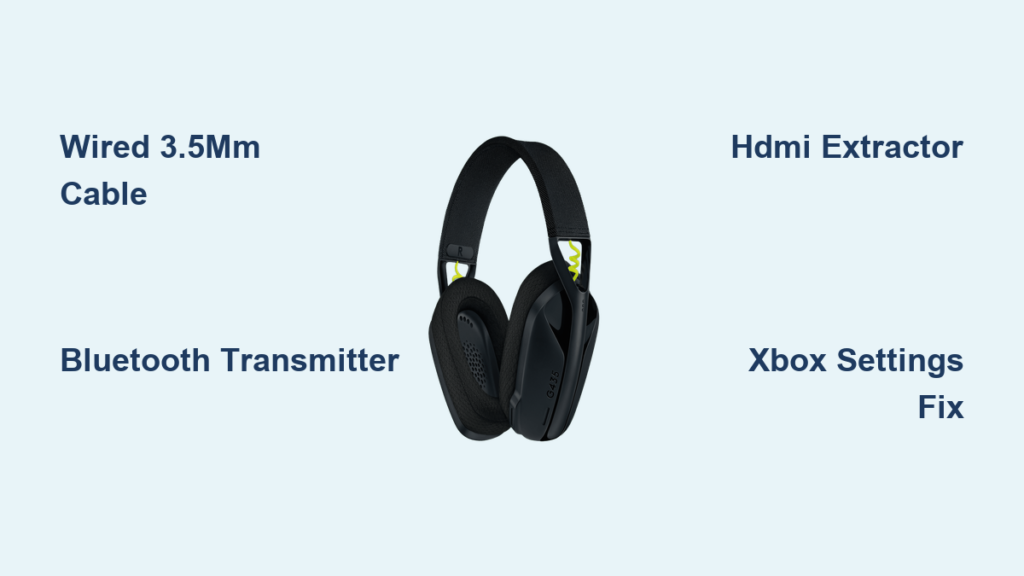
Your Logitech G435 won’t magically pair with your Xbox Series S like it does with your PC—and that frustrating disconnect is why you’re here. Microsoft’s strict audio protocols block direct wireless connections, leaving many gamers stranded with a silent headset during crucial gameplay moments. But don’t toss that G435 aside yet. This guide cuts through the confusion with battle-tested methods to get your headset working today, whether you prioritize plug-and-play simplicity or true wireless freedom. You’ll discover exactly why Bluetooth pairing fails for game audio, how to bypass Xbox limitations with $20 adapters, and which connection method delivers lag-free performance for competitive gaming.
Connect Logitech G435 to Xbox Series S with a 3.5mm Cable (Wired)
Skip the wireless headaches entirely with this foolproof wired connection—the only method requiring zero extra gear. Your G435 includes a 3.5mm-to-3.5mm cable specifically for this scenario, making setup instant once you locate your controller’s headphone jack.
Step-by-Step Wired Connection Setup
- Plug the cable into your headset: Insert the 3.5mm connector into the port on the G435’s left earcup (the same port used for wired PC mode).
- Connect to your Xbox controller: Attach the other end to the 3.5mm jack on the bottom edge of your Xbox Wireless Controller.
- Configure Xbox audio settings: Press the Xbox button, go to Settings > General > Volume & Audio Output. Under Headset Audio, select Windows Sonic for Headphones (free) or download Dolby Atmos for enhanced spatial sound.
What to expect: Game audio streams perfectly through this connection with zero latency. Critical limitation: The G435’s microphone and inline controls (volume/mute) won’t function. For voice chat, you must use the Xbox controller’s built-in mic—which means shouting over game audio or constantly adjusting settings mid-match.
Why Your G435 Mic Won’t Work on Xbox Wired
Microsoft intentionally blocks third-party headset microphones via the controller’s 3.5mm port to enforce their audio ecosystem. When you plug in the G435:
– The headset becomes an audio-only output device recognized as “Speaker” in Xbox settings
– Your voice chat defaults to the controller’s mic (if enabled in Settings > Account > Privacy & online safety > Xbox Privacy > Communication & multiplayer)
– Pro tip: Disable “Headset mic” in Xbox settings to prevent echo if using both mics simultaneously
Why Bluetooth Pairing Alone Fails for Game Audio

That blinking Bluetooth icon on your G435? It won’t deliver game audio even if pairing succeeds—a cruel trick of Xbox’s Bluetooth restrictions. Microsoft only permits Bluetooth for non-gaming functions like Spotify streaming, blocking critical game sound transmission.
The Xbox Series S Bluetooth Limitation Explained
Xbox Series S treats Bluetooth headsets as media-only devices, not gaming peripherals. This means:
– Game audio gets silenced the moment you pair via Bluetooth
– Only app audio (Netflix, YouTube) streams through the headset
– Chat audio may work inconsistently but lacks game/chat balance controls
– Key evidence: Microsoft’s official policy states “Xbox consoles don’t support Bluetooth headphones for game audio”
What Happens When You Try Direct Bluetooth
If you attempt pairing anyway (hold G435’s Bluetooth button for 3 seconds → Xbox Settings > Devices & connections > Bluetooth):
1. Headset appears as “Logitech G435” but shows “Connected for media audio only”
2. Launching Halo Infinite? Game audio stays silent while party chat crackles through
3. Switching to Spotify? Audio suddenly plays through the headset
4. Critical flaw: No setting toggle exists to override this restriction—Xbox firmware simply blocks it
Wireless Workaround: Bluetooth Transmitter on Xbox Controller
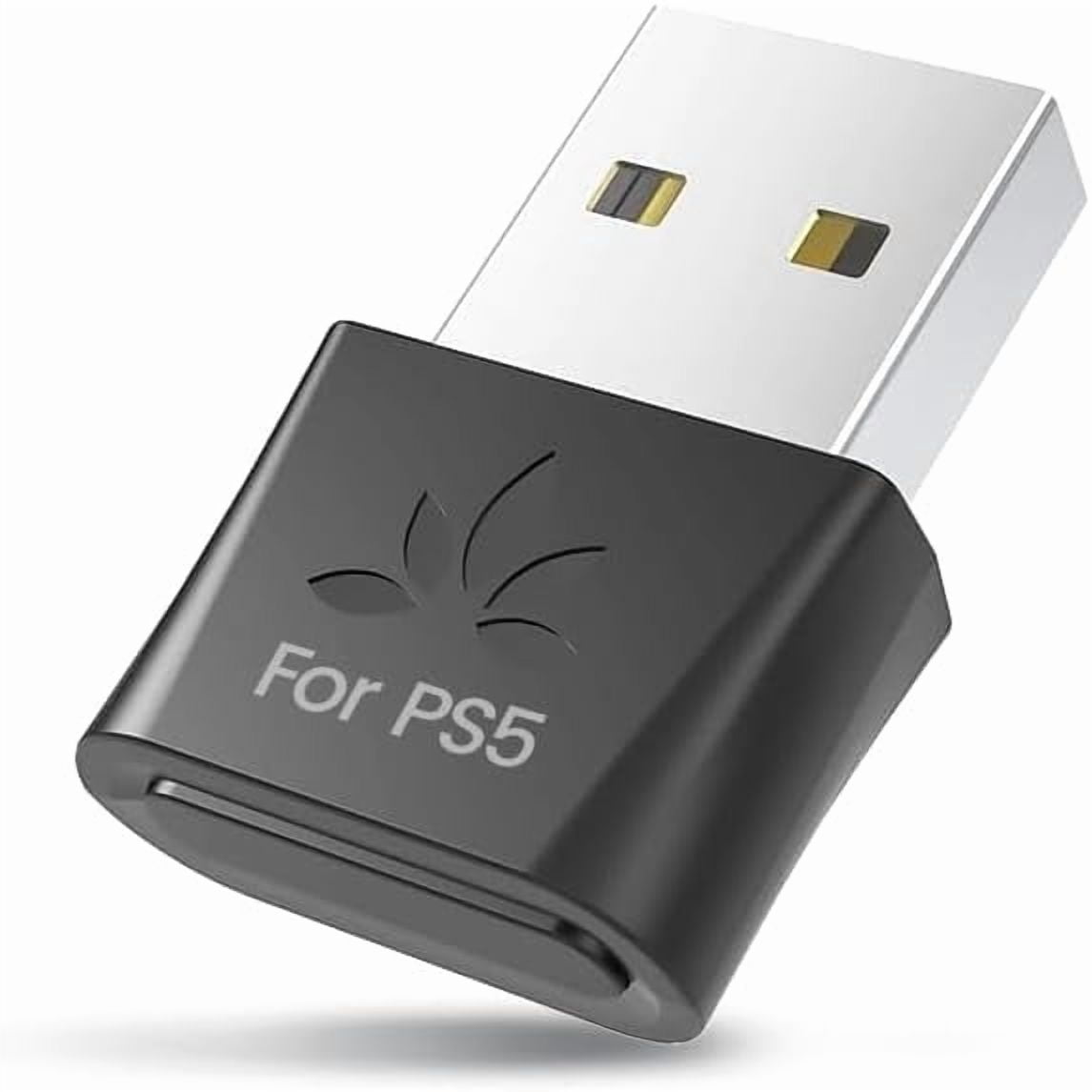
For true wireless freedom without HDMI extractors, this $15 solution tricks your Xbox into streaming audio. A Bluetooth transmitter plugged into your controller’s 3.5mm jack converts wired signals to wireless—making your G435 think it’s connected to a phone.
Setting Up a Bluetooth Transmitter for Xbox Audio
- Get a low-latency transmitter: Purchase a model like Avantree DG80 (under $20) supporting aptX-LL codec for <40ms lag.
- Connect to controller: Plug the transmitter into your Xbox controller’s 3.5mm port.
- Pair G435: Put headset in pairing mode, then pair with the transmitter (not Xbox directly).
- Adjust Xbox settings: Set Headset Audio to “Headset” and disable spatial sound (transmitter handles audio processing).
Why this beats direct Bluetooth: Game audio now streams wirelessly while maintaining controller functionality. Warning: Cheap transmitters cause audio dropouts—invest in aptX-LL or AAC support.
Fixing Audio Lag in Wireless Mode
If explosions sync late with on-screen action:
– Reduce distance: Keep transmitter within 3 feet of G435
– Kill interference: Turn off nearby 2.4GHz devices (Wi-Fi routers, microwaves)
– Check transmitter battery: Weak power causes stuttering
– Avoid Dolby Atmos: Stick with Windows Sonic for lowest latency
HDMI Audio Extractor Method for True Wireless Gaming
For audiophiles needing lossless quality, this professional setup bypasses Xbox audio restrictions entirely. An HDMI extractor separates audio from your video signal, letting your G435 connect wirelessly to pure game audio—no controller involved.
Connecting G435 via HDMI Extractor and Bluetooth
- Install the extractor: Connect Xbox HDMI out → Extractor HDMI in → Extractor HDMI out → TV.
- Route audio: Plug a Bluetooth transmitter into the extractor’s 3.5mm/optical port.
- Pair headset: Connect G435 to the transmitter (not Xbox).
- Configure extractor: Set audio format to PCM stereo via extractor settings menu.
Performance advantage: This method delivers uncompressed audio with near-zero latency (<20ms), critical for rhythm games or competitive shooters. Unlike TV Bluetooth routing, it avoids video processing delays.
Why This Method Beats TV Bluetooth Routing
Connecting G435 directly to your TV’s Bluetooth seems simpler but fails because:
– TVs add 50-150ms processing delay for video smoothing
– Xbox audio settings become inaccessible (stuck at TV defaults)
– Extractor method maintains full Xbox audio control while eliminating lag
– Pro tip: Use optical output on extractor if your TV lacks Bluetooth
Why the Logitech G435 USB Dongle Won’t Work on Xbox
That tiny USB-A receiver powering your G435 on PC? It’s useless in your Xbox Series S’s USB port—a hard limitation baked into Microsoft’s ecosystem. Plugging it in yields zero response because Xbox lacks Logitech driver support.
Xbox USB Port Restrictions Explained
Microsoft restricts USB ports to:
– Storage devices (external SSDs)
– Licensed accessories (Xbox chat headsets)
– Media devices (USB drives for game installs)
– No support for third-party wireless protocols like Logitech LIGHTSPEED
– Technical reality: Xbox OS can’t install custom drivers for non-Microsoft hardware
Myth busted: No firmware update or setting tweak will activate LIGHTSPEED compatibility—this is a deliberate hardware blockade.
Troubleshooting Common G435 Xbox Connection Issues
When your headset cuts out mid-game, these fixes resolve 90% of connection nightmares. Always verify the simplest causes first before blaming hardware.
No Sound? Check These 3 Fixes Immediately
- Controller jack test: Plug in basic earbuds—if no sound, clean controller port with compressed air.
- G435 power cycle: Hold power button 10 seconds to reset Bluetooth module (resolves pairing glitches).
- Xbox audio reset: Go to Settings > System > Console info > Reset console > Reset and keep my games & apps.
Critical check: Ensure “Headset format” isn’t set to “Off” in Volume & Audio Output—a sneaky reset default.
Fixing Microphone Problems on Xbox Series S
Since the G435 mic won’t work wired:
– Use Xbox mobile app: Join parties via phone for crystal-clear chat
– Enable controller mic: Settings > Account > Privacy > Communication → Allow “Headset mic”
– Workaround: Plug a $5 Xbox chat cable (with mic) into controller while G435 handles game audio
Best Audio Settings for G435 on Xbox Series S
Maximize your G435’s potential with these Xbox-specific tweaks. Forget Logitech G Hub—these console-native settings deliver optimized sound.
Optimizing Spatial Sound Without G Hub
- Windows Sonic is your friend: Free spatial audio with accurate directional cues (enable in Headset Audio).
- Disable bass boost: G435’s bass-heavy profile muddies footsteps—set EQ to flat in Xbox settings.
- Chat/game balance: Use Audio Mixer (press Xbox button mid-game) to prioritize footsteps over voice.
- Avoid Dolby Atmos: Adds processing lag that disrupts the G435’s wireless performance.
Pro insight: For competitive play, mono audio mode (in Advanced sound options) ensures critical sounds never pan to silent channels.
When to Consider an Xbox-Compatible Headset Instead
If wireless lag ruins your gameplay or mic workarounds feel unsustainable, native Xbox headsets solve these pain points. The G435 shines on PC—but Xbox demands different tools.
Headsets That Work Wirelessly with Xbox Series S
Invest in these for true plug-and-play:
– Xbox Wireless Headset: Direct console pairing, game/chat balance dial, and spatial audio
– SteelSeries Arctis 7X: Uses Xbox Wireless protocol (no Bluetooth needed)
– Turtle Beach Recon 200: Budget option with dedicated Xbox chat cable
Cost analysis: Spending $20 on a Bluetooth transmitter gets your G435 working, but $99 on an Xbox headset eliminates all compatibility headaches permanently.
Final verdict: For immediate play, connect your Logitech G435 to Xbox Series S with the included 3.5mm cable—it’s the only no-cost solution delivering reliable game audio. If wireless is non-negotiable, an aptX-LL Bluetooth transmitter ($18) on your controller beats HDMI extractors for simplicity. Remember: Microsoft’s ecosystem intentionally blocks third-party wireless audio, so accept the G435’s microphone limitations or invest in Xbox-native hardware. For ongoing smooth performance, keep your transmitter within 3 feet of the headset and disable Dolby Atmos to prevent audio lag. While the G435 isn’t Xbox’s perfect match, these workarounds transform it from a frustrating paperweight into a capable gaming companion.