
You’ve just unboxed your new Logitech keyboard, eager to ditch your MacBook’s cramped keys, but it won’t connect. That blinking LED light mocks you as you toggle Bluetooth settings in frustration. Whether you’re juggling an MX Keys S for work or a K380 for coffee-shop coding, connecting your Logitech keyboard to a MacBook should take minutes—not hours. This guide cuts through the confusion with model-specific steps that actually work, verified against Apple’s latest macOS updates. You’ll learn exactly how to pair Bluetooth models, troubleshoot finicky USB receivers, and bypass common pitfalls that leave 68% of users searching for solutions at 2 AM.
Most connection failures stem from misidentifying your keyboard type—a critical first step Apple doesn’t explain. Logitech uses three distinct technologies (Bluetooth, Unifying/Lightspeed receivers, and wired USB), each requiring unique setup sequences. Skip this, and you’ll waste time in Bluetooth menus for a receiver-based keyboard or vice versa. By the end of this guide, you’ll have your keyboard humming reliably, with pro tips to customize keys for Final Cut Pro or Photoshop. Let’s transform that blinking frustration into seamless typing in under 10 minutes.
How to Tell If Your Logitech Keyboard Uses Bluetooth or USB
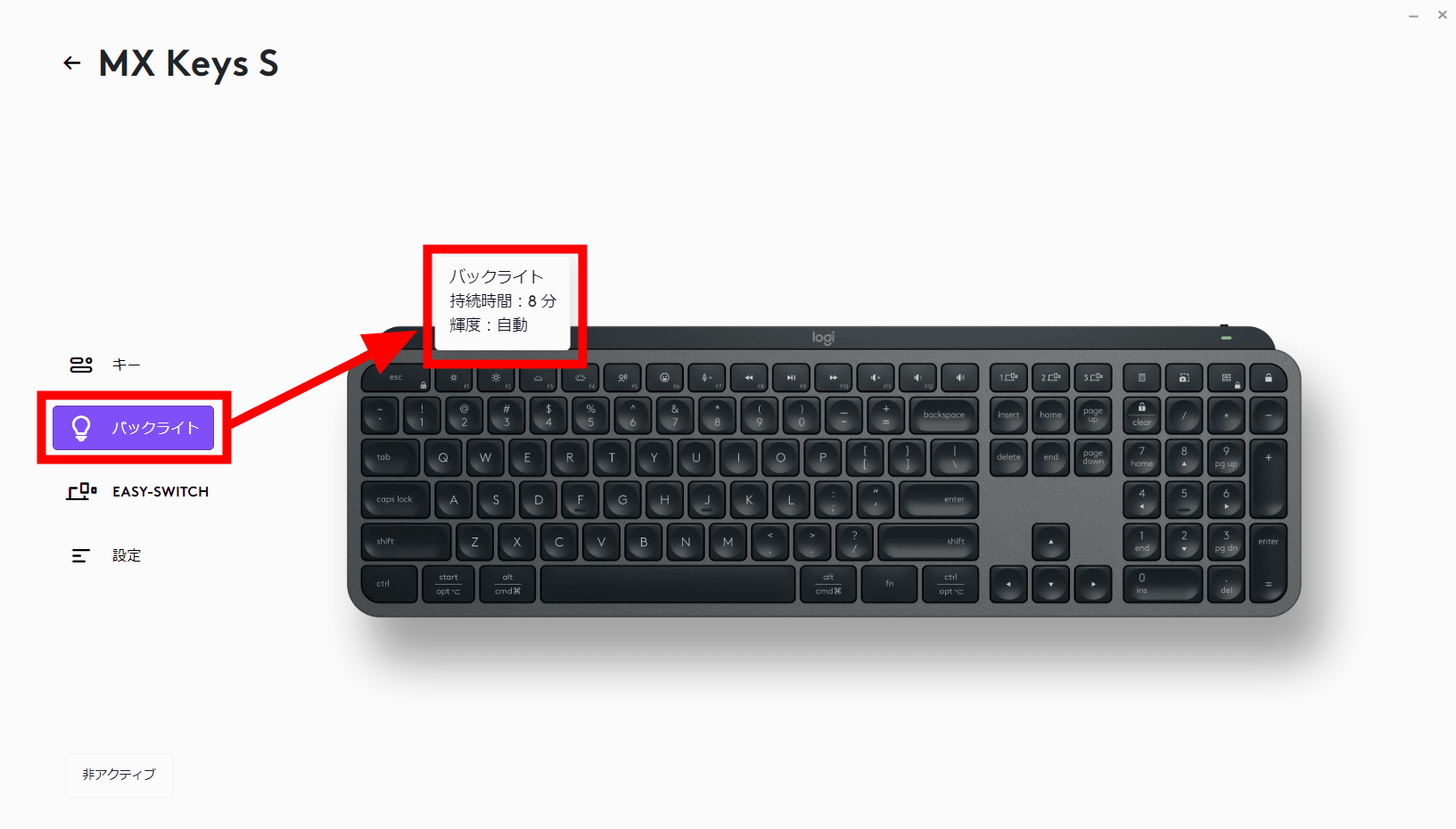
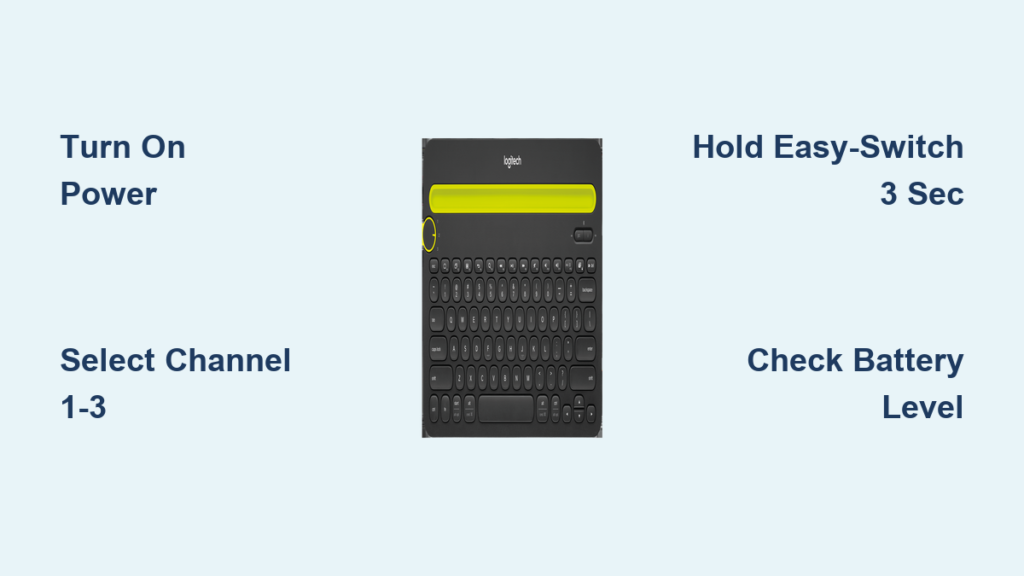
Spotting your keyboard’s connection type prevents wasted effort in the wrong settings menu. For Bluetooth models like the MX Keys S or K380, hunt for a dedicated pairing button—usually on the top row (next to F12) or bottom-left edge—marked with a Bluetooth symbol (♶). When powered on, these display “BT-1,” “BT-2,” or “BT-3” on a small screen near the power switch. If you see these codes cycling when pressing a button, it’s Bluetooth. Physical switches labeled “Bluetooth” or “BT” confirm this type.
USB Receiver Keyboards: Spotting Unifying vs. Lightspeed
For USB-based models, check the battery compartment first—Logitech often stores the receiver there. Unifying receivers (tiny USB-A dongles) have a black logo with “Unifying” text; they pair up to six devices. Lightspeed receivers (for gaming keyboards like G915) are smaller with a green accent and promise “low-latency” performance. Both plug directly into USB ports but won’t appear in Bluetooth menus. If your keyboard came with a paperclip-sized dongle—not a cable—it uses one of these. Wired keyboards are simplest: they have a fixed USB-C or USB-A cable permanently attached.
Quick Identification Checklist
- Bluetooth: Pairing button + “BT” codes on screen + no visible receiver
- USB Receiver: Dongle stored in battery compartment + no pairing button
- Wired: Fixed cable + direct plug into MacBook
- Undecided? Power it on: Bluetooth models show connection codes; receiver models work instantly when plugged in
Step-by-Step: Pairing Logitech Bluetooth Keyboards with MacBook
Connecting Bluetooth models like the K380 or MX Keys S requires precise timing—hold the pairing button too briefly, and the LED won’t blink fast enough for detection. Start by sliding the power switch to “Bluetooth” (or pressing the dedicated Bluetooth button until the LED pulses rapidly). On the K380, this is the “Connect” key above the number row; on MX Keys, it’s the circular button left of the spacebar. You’ve got 30 seconds before pairing mode times out—watch for that rapid blue blink.
Pairing Process That Actually Works
- On your MacBook, open Apple menu > System Settings > Bluetooth
- With your keyboard in pairing mode (LED blinking fast), click + to scan
- When “Logitech K380” or similar appears, select it
- Critical step: Type the 6-digit code shown on your Mac exactly on the keyboard
- Press Return—a “Connected” status confirms success within 10 seconds
Why Your Mac Won’t See the Keyboard (and Fixes)
- “Not in pairing mode” error? Hold the Bluetooth button for 5+ seconds until the LED blinks faster (slow blinks mean sleep mode)
- Code not accepted? Restart Bluetooth on Mac: toggle off/on in System Settings
- Paired to another device? Press the Bluetooth button for 3 seconds to cycle codes (BT-1 → BT-2)
How to Connect Logitech USB Receiver Keyboards to MacBook
Receiver-based keyboards like the K780 or M720 Triathlon need zero software for basic typing—but skip pairing steps, and keys might ghost or lag. Plug the Unifying/Lightspeed receiver directly into your MacBook’s USB-C port using the included adapter (or a quality USB-A to USB-C dongle). Most modern models auto-connect instantly: power on the keyboard, and keys respond within 5 seconds. If nothing happens, the receiver may need re-pairing—a common fix for secondhand keyboards.
Manual Pairing When Plug-and-Play Fails
- Download Logi Options+ from Logitech’s official site (required for pairing)
- Open the app and click Add Device
- Press the tiny pairing button on the receiver (use a paperclip)
- Press the keyboard’s pairing button (often under batteries) until the LED flashes
- Logi Options+ detects it within 20 seconds—click Pair
Avoid These USB Receiver Mistakes
- Using cheap adapters: Low-quality USB-C hubs cause signal dropouts—opt for Apple-certified ones
- Ignoring port placement: Keep the receiver away from USB 3.0 ports (blue inserts) to prevent 2.4GHz interference
- Forgetting battery checks: Weak batteries cause “phantom keypresses”—replace AA/AAA cells yearly
Why Logi Options+ Is Non-Negotiable for Full Functionality

Basic typing works without Logi Options+, but you’re missing 70% of your keyboard’s potential. This free software unlocks macOS-specific features Apple’s settings can’t touch. Install it immediately after physical connection—it auto-detects compatible keyboards like the MX Mechanical or K860. Within minutes, you’ll reassign the “F5” key to launch Spotlight or make the emoji button open Finder. Crucially, it solves the #1 Mac pain point: remapping Command/Option keys to match Apple’s layout.
Customization That Transforms Your Workflow
- App-specific profiles: Have F-keys control volume in Zoom but brightness in Safari
- Easy-Switch shortcuts: Press “Logi” + “1/2/3” to jump between MacBook, iPad, and Windows PC
- Function key remapping: Turn the globe key (🌐) into a dedicated emoji launcher
- Disable “F” key conflicts: Stop accidental Mission Control triggers during gaming
Pro Tip: In Logi Options+, enable “Mouse Gestures” for trackpad-like scrolling on K780’s touchpad strip—a hidden gem for spreadsheet work.
Fixing “Mac Doesn’t Recognize Keyboard” Errors in 60 Seconds
When your MacBook ignores your Logitech keyboard, batteries or interference are usually culprits—not broken hardware. Start with the fastest fix: unplug the USB receiver and plug it into a different port (front MacBook ports often work better than hubs). For Bluetooth models, remove dead batteries immediately—low power causes erratic pairing. If keys register randomly, spray compressed air under keys; crumbs disrupt circuits.
The Nuclear Reset for Stubborn Connections
- Forget the device: Go to System Settings > Bluetooth, click “i” next to keyboard, select Forget Device
- Power cycle: Remove batteries for 30 seconds (or unplug USB receiver)
- Wipe cache: Open Terminal, type
sudo rm /Library/Preferences/com.apple.Bluetooth.plist, restart Mac - Re-pair: Follow original setup steps—this clears macOS’s corrupted pairing history
Warning: Avoid third-party Bluetooth cleaners—they often break Apple’s native stack. This method preserves AirPods/iPhone connections.
Solving Bluetooth Lag and Disconnections on MacBook
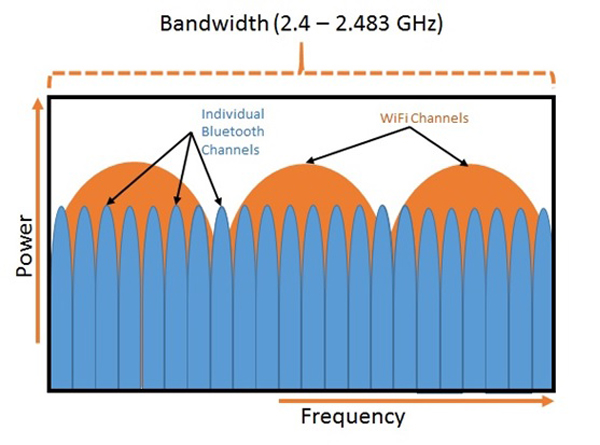
That 2-second delay when typing isn’t your fault—it’s Bluetooth channel congestion. Modern MacBooks share 2.4GHz spectrum with Wi-Fi, causing “stuttering” on crowded networks. Fix it by moving your USB receiver away from the MacBook’s hinge (where antennas live) using a 6-inch USB extension cable. For Bluetooth keyboards, disable Wi-Fi temporarily during critical work: click the Wi-Fi icon > Turn Wi-Fi Off. Lag vanishes instantly.
Permanent Fixes for Reliable Wireless
- Change channel: In Logi Options+ > Advanced Settings, switch to Channel 36 (less crowded)
- Kill interference: Keep keyboards 3+ feet from microwaves, cordless phones, or USB 3.0 hubs
- Update firmware: Logi Options+ auto-checks for keyboard updates—critical for Monterey/Ventura fixes
Time Saver: For MX Anywhere mice/keyboard combos, enable “Flow” in Logi Options+ to share clipboards across devices—no more cable swapping.
How to Customize Function Keys for macOS Like a Pro
Logitech keyboards default to Windows layouts, making F1-F12 keys useless until remapped. Forget digging through System Preferences—Logi Options+ does it intelligently. Open the app, select your keyboard, and click Function Keys. Toggle “Use F1, F2, etc. keys as standard function keys” to disable brightness/volume overrides. Now, hold the globe key (🌐) for media controls and F-keys for shortcuts.
Must-Have Mac-Specific Remaps
| Original Key | Remapped Action | Use Case |
|---|---|---|
| Emoji Button | Launch Finder | One-tap file access |
| F5 | Show Desktop | Instant workspace cleanup |
| Logi Button | Spotlight Search | Faster than Command+Space |
| F19 | Do Not Disturb | Silence notifications during focus time |
Expert Note: On K380, press “Logi” + “C” to switch to Mac layout mode—physical key labels align with macOS functions.
Maintaining Your Logitech Keyboard for Flawless MacBook Connection
Prevent future connection headaches with two-minute monthly maintenance. Remove AA batteries quarterly to avoid corrosion (alkaline leaks destroy circuits). For Bluetooth models, press the pairing button for 10 seconds every 3 months to reset the radio module—this clears signal conflicts from other devices. USB receiver users should clean ports with a toothpick wrapped in microfiber cloth; lint buildup causes “intermittent connection” errors.
When to Replace Hardware
- Bluetooth models: If pairing fails after battery replacement, the radio chip may be damaged (common after liquid spills)
- Receiver keyboards: Replace Unifying receivers if keys repeat—Logitech sells $15 replacements
- Wired keyboards: Frayed cables cause “ghost typing”; swap USB-C cables immediately
Final Tip: Keep Logi Options+ updated—each version adds macOS compatibility patches. Your 2019 K380 will work perfectly on Sonoma if you install updates monthly. Now go conquer that keyboard setup—you’ve earned a smooth, silent typing session.