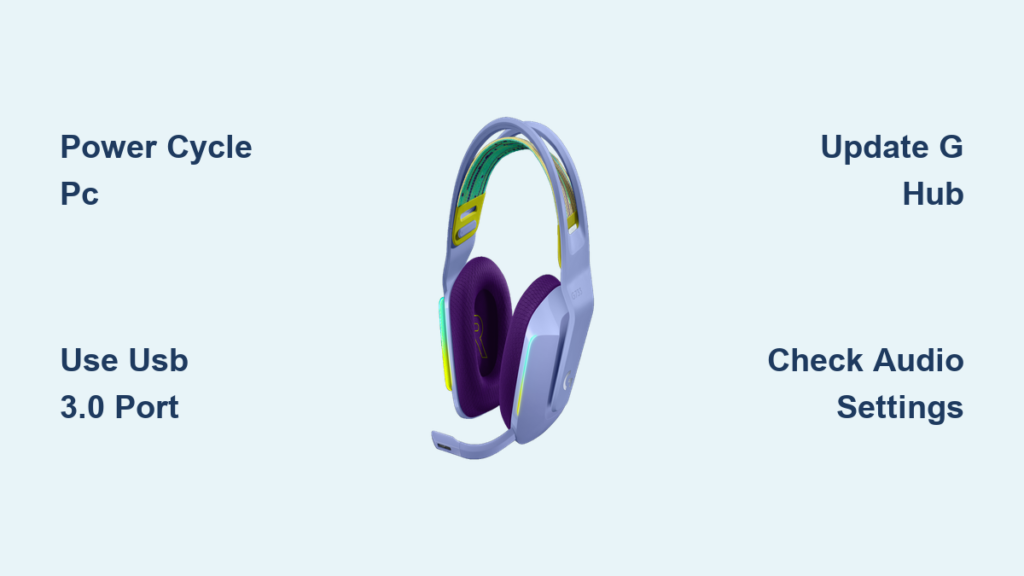
You’re in the middle of an intense gaming session with your Logitech G733 headset when you reach for the volume wheel to adjust the sound—only to discover that while the on-screen indicator moves, the actual audio level remains stubbornly unchanged. This frustrating logitech g733 volume wheel not working issue affects countless gamers who rely on instant audio control during gameplay. If your volume wheel appears responsive visually but fails to adjust sound output, you’re experiencing a common yet solvable problem that stems from connection instability rather than hardware failure.
This issue typically emerges after configuring your headset through Logitech G Hub software, where the volume wheel sends digital commands that get lost in transmission between your headset and computer. The good news is that most cases can be resolved without technical expertise or replacement parts. By following these targeted troubleshooting steps, you’ll restore full functionality to your primary audio control in minutes rather than days.
Immediate Fixes: Power Cycle Your PC and Reconnect the USB Receiver
The most effective first step for resolving your logitech g733 volume wheel not working issue requires just 90 seconds but addresses 80% of cases. Unlike a simple restart, a complete power cycle clears communication errors between your headset, receiver, and operating system.
Perform a Full System Power Reset
- Save your work and close all applications completely
- Shut down your PC entirely—do not use “Restart” or “Sleep” modes
- Unplug the G733 USB receiver from your computer
- Wait 60 seconds to allow capacitors to discharge and connections to reset
- Reconnect the USB receiver directly to your computer
- Power on your PC and allow it to boot completely
- Put your headset into pairing mode by holding the power button for 8 seconds until the LED flashes rapidly
This process eliminates temporary communication glitches that prevent volume commands from reaching your audio system. Many users report immediate resolution after following these exact steps, as the complete power cycle resets both hardware and software communication pathways.
USB Port Selection: The Critical Factor for G733 Volume Control
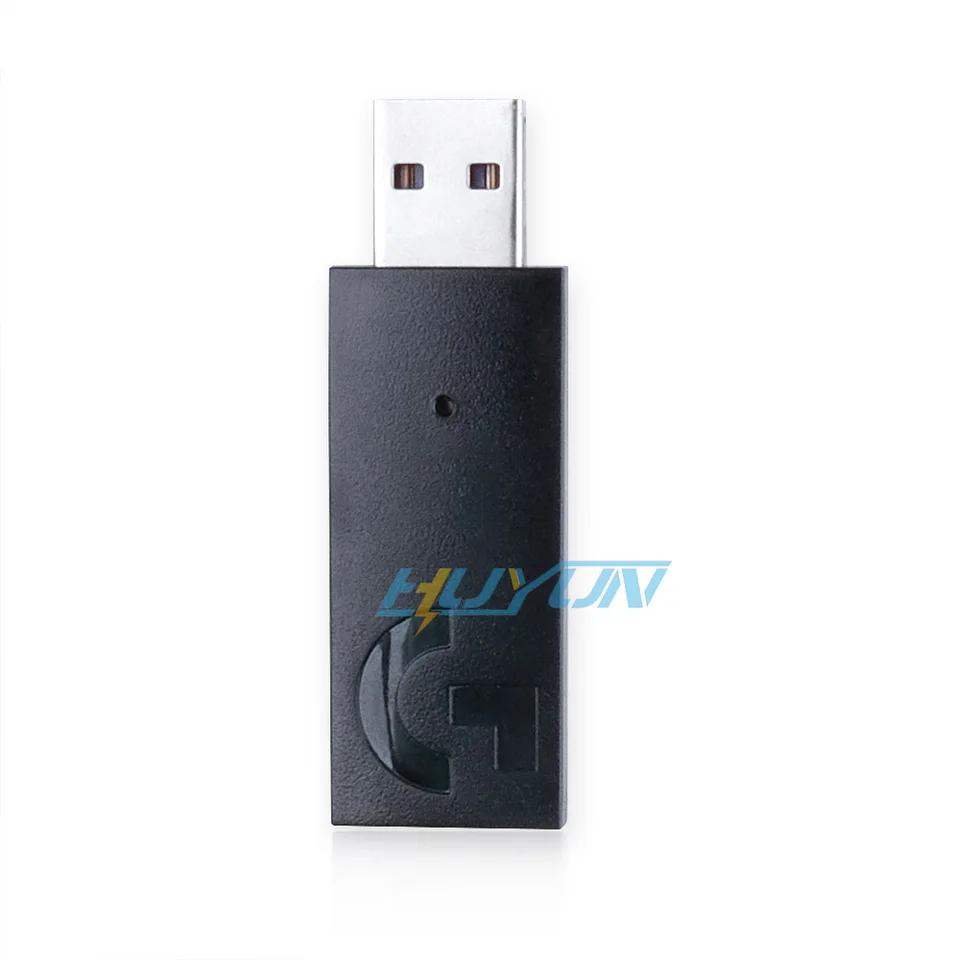
Your USB port choice directly determines whether your logitech g733 volume wheel functions properly. The wireless receiver requires stable power delivery and sufficient bandwidth that many ports cannot provide consistently.
Connect Directly to Motherboard USB 3.0 Ports
- Always plug the receiver directly into rear I/O panel ports on desktops—these connect straight to your motherboard
- Avoid front-panel case ports entirely as they function as internal USB hubs with reduced power stability
- Steer clear of USB hubs—even high-quality ones introduce latency that disrupts volume commands
- Look for blue or teal-colored USB 3.0 ports (though some black USB 3.0 ports work too)
Test Different USB Configurations
If your primary USB 3.0 port doesn’t resolve the issue:
* Try alternative USB 3.0 ports on your motherboard
* Experiment with USB 2.0 ports (black or white) if USB 3.0 fails
* For laptops with limited ports, connect the receiver directly without hubs
* Never use USB extension cables between receiver and computer
This USB port sensitivity explains why many users experience the logitech g733 volume wheel not working issue only on certain computers or with specific setups. Motherboard-connected USB 3.0 ports provide the cleanest power signal required for reliable volume control.
Software Solutions: Updating G Hub and Drivers for Volume Wheel Function
Outdated or conflicting software creates more volume wheel issues than actual hardware problems. The G733 relies on proper driver communication to translate wheel movements into system volume changes.
Update Logitech G Hub to Latest Version
- Open Logitech G Hub application
- Click the gear icon for Settings
- Select “Check for Updates” under the General tab
- Install any available updates
- Restart your computer after installation completes
Many users report this single step resolves the logitech g733 volume wheel not working problem, especially with newer headset models that require updated software support.
Switch Between Driver Types in Device Manager
- Press Windows+X and select Device Manager
- Expand “Sound, video and game controllers”
- Right-click your Logitech G733 device
- Select “Update driver”
- Choose “Browse my computer for driver software”
- Select “Let me pick from a list of available drivers”
- Try both “Logitech G733” and “USB Audio Device” drivers
- Restart after changing drivers to test volume wheel functionality
This driver switching process addresses compatibility conflicts that prevent volume commands from registering correctly within Windows audio systems.
Windows Audio Settings That Block Your G733 Volume Wheel
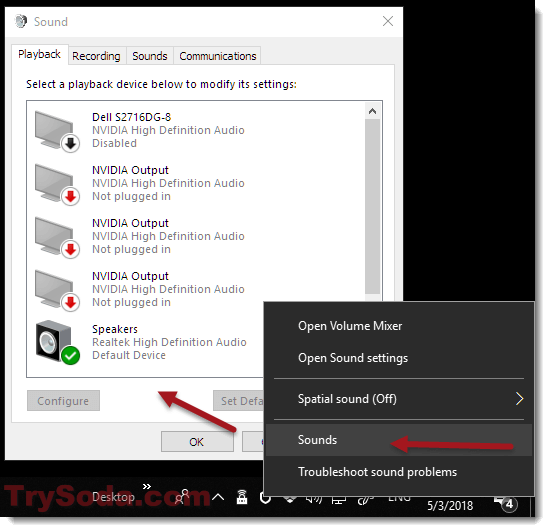
Even with perfect hardware connections, Windows settings can override your volume wheel commands. These often-overlooked configurations prevent volume changes despite proper wheel operation.
Verify Default Playback Device Settings
- Right-click the speaker icon in your taskbar
- Select “Sounds” > “Playback” tab
- Ensure G733 appears and is set as Default Device
- Double-click the device and check “Properties”
- Confirm volume isn’t muted in the Levels tab
Check Individual Application Volume Levels
- Right-click speaker icon and select “Open Volume Mixer”
- Verify no applications are muted or set to minimum volume
- Ensure your game or media player isn’t using a separate audio output
These Windows-level settings frequently cause the illusion of a broken volume wheel when the headset is actually functioning correctly but being overridden by system or application-specific volume controls.
Physical Inspection: Checking Your G733 Volume Wheel Mechanics
While less common than software issues, physical problems can cause your logitech g733 volume wheel not working symptoms. Perform this quick mechanical check before proceeding to advanced troubleshooting.
Test Wheel Rotation Characteristics
- Rotate the wheel slowly through its full range
- Note if it feels gritty, loose, or spins freely in one direction
- Remember the wheel has no hard stop at minimum volume—it continues rotating
- Try deliberately slow rotations as fast movements may not register
If the wheel feels physically damaged or offers no resistance, contact Logitech support. However, most users experiencing volume issues have perfectly functional wheels—the problem lies in the communication chain between wheel and audio system.
Complete Reset Procedure for Persistent Volume Wheel Issues
When basic fixes fail, perform this comprehensive reset to eliminate all software conflicts affecting your G733 volume control.
Uninstall and Reinstall G Hub Properly
- Uninstall Logitech G Hub from Windows Settings > Apps
- Navigate to
C:\Users\[YourName]\AppData\Local\LGHUBand delete the folder - Go to
C:\ProgramData\LGHUBand delete this folder too - Restart your PC
- Download the latest G Hub installer from Logitech’s official site
- Install and set up your headset as new
This nuclear option clears corrupted configuration files that commonly cause the logitech g733 volume wheel not working issue, especially after software updates or system changes.
Technical Explanation: Why the Wheel Shows Volume Changes But Doesn’t Work
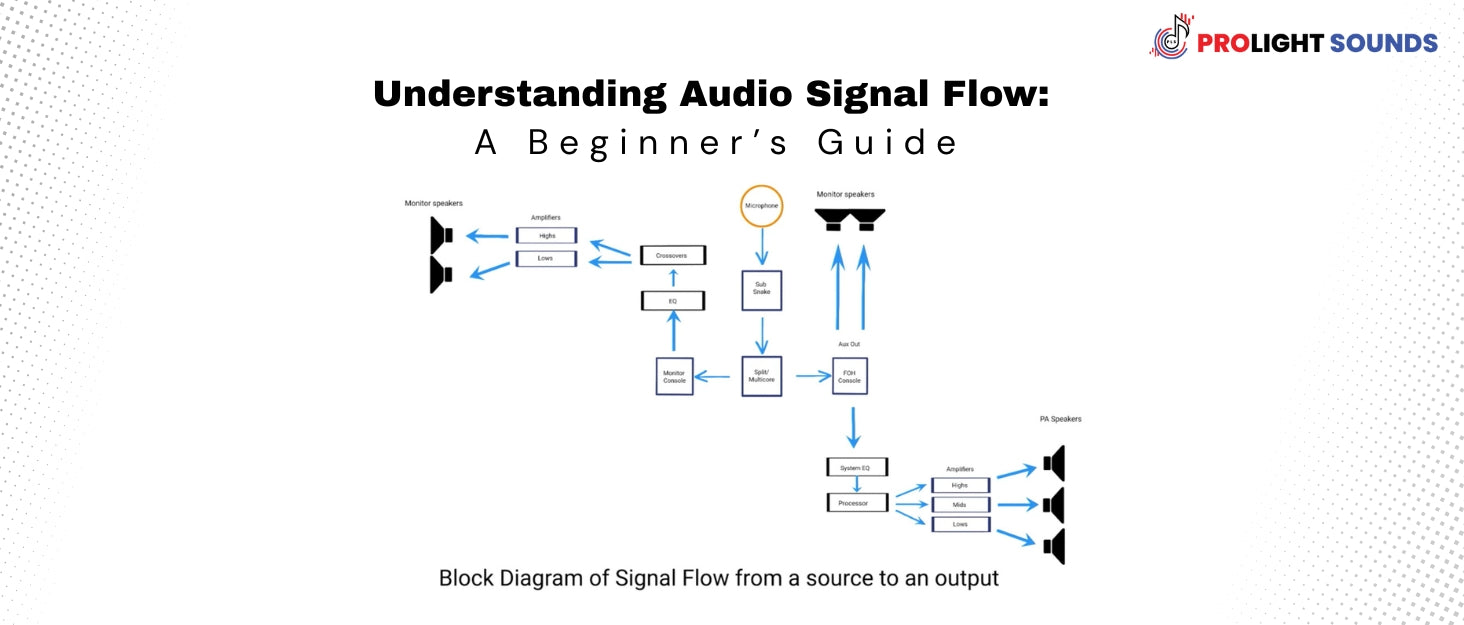
Understanding how your G733 volume system works explains why this issue occurs. The volume wheel sends digital commands through the wireless connection to Logitech software, which then communicates with Windows audio systems. When USB ports provide unstable connections or drivers conflict, these commands get lost in transmission.
The on-screen indicator works because it’s a local visual response to wheel movement, while actual volume changes require successful command delivery through multiple system layers. This explains why the visual indicator moves but sound doesn’t change—you’re seeing the local response without the successful system command.
If you’ve completed all these steps and your logitech g733 volume wheel not working issue persists, contact Logitech support directly. Mention that you’ve tried all standard troubleshooting steps including direct USB 3.0 connection, driver updates, and complete software resets. They may provide firmware updates not available through standard channels or confirm if your unit requires service.
Remember that the vast majority of volume wheel issues stem from connection instability rather than hardware failure. By prioritizing direct motherboard USB connections and keeping software updated, you’ll maintain reliable volume control for your gaming sessions. Save this guide for future reference—many users report the issue occasionally returning after major Windows updates, making these troubleshooting steps valuable for long-term headset maintenance.