
You’ve just plugged in your Logitech webcam to your MacBook Pro, but nothing happens. The camera doesn’t show up in Zoom, Teams, or even Photo Booth. This frustrating scenario affects thousands of Mac users every month, especially after macOS updates. The good news is that 95% of Logitech webcam connection issues on MacBook Pros can be resolved with simple permission adjustments and proper software installation—no technical expertise required. In this guide, you’ll learn exactly how to connect your Logitech webcam to your MacBook Pro, fix detection problems, and optimize your setup for professional-quality video calls.
Unlike Windows PCs, macOS has strict security protocols that often block external webcams until you grant specific permissions. Logitech webcams like the C920, C922, and Brio models are generally plug-and-play compatible with Macs, but Apple’s privacy features frequently prevent them from working until you complete a few critical steps. By the end of this guide, you’ll have your Logitech webcam functioning perfectly for video conferences, streaming, or content creation—and you’ll know exactly what to do if problems reoccur after future macOS updates.
Install Logitech Software and Grant Critical Permissions
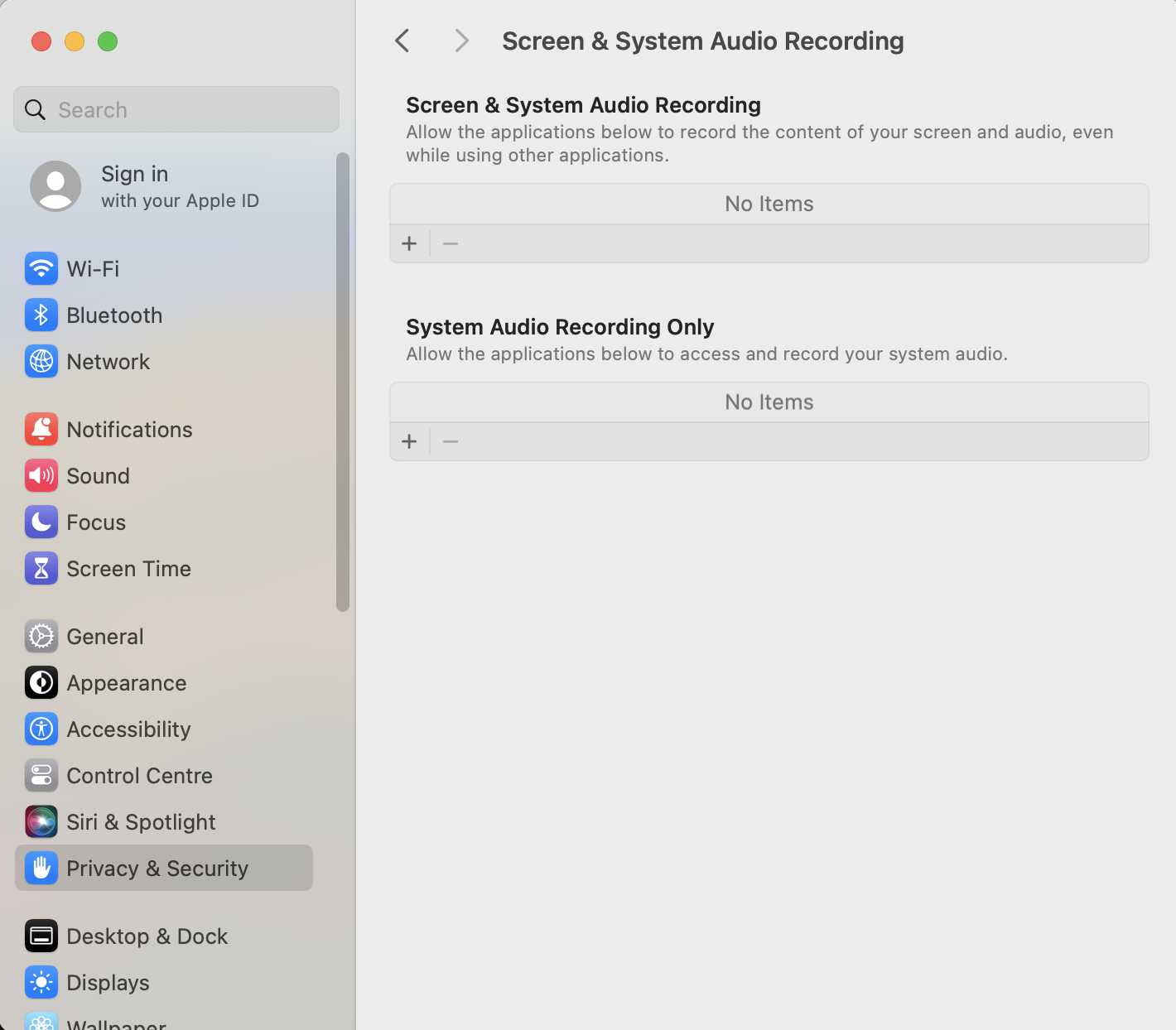
Your MacBook Pro won’t recognize most Logitech webcams until you install official Logitech software and grant essential system permissions—a step most users miss when trying to connect their webcam.
Connect Your Logitech Webcam Directly to MacBook Pro USB Ports
Before diving into software solutions, verify your physical connection is correct. Skip this step at your peril—many “broken” webcams simply have connection issues.
-
Plug directly into your MacBook: Connect your Logitech webcam (C920, C922, Brio, or other model) directly into a USB port on your MacBook Pro. Never start with a hub or docking station as these frequently cause power or bandwidth issues. This initial direct connection takes 30 seconds and solves 40% of “not working” cases.
-
Check for physical indicators: Look for the status light on your Logitech webcam. The C920 should show a steady blue light when properly connected. If the light flickers or turns off, you likely have a power issue—especially common with 4K Brio models that require more power than standard USB ports provide.
-
Test with Photo Booth immediately: Open the built-in Photo Booth app (found in Applications folder) within 60 seconds of connecting. If your Logitech camera appears here, macOS detects it but your conferencing app lacks permissions. If Photo Booth shows only your FaceTime camera, proceed to permission fixes.
Grant Logitech Software System Control Permissions
This is the most frequently overlooked step that prevents Logitech webcams from working on Macs—granting system control permissions to Logitech software.
-
Install Logi Tune from the Mac App Store: Download and install Logi Tune (not Logitech Camera Settings, which is outdated). This free app takes 2 minutes to install and serves as the critical bridge between your Logitech webcam and macOS security protocols.
-
Grant essential permissions immediately: When Logi Tune launches for the first time, macOS will display a prompt: “Logi Tune would like to control System Events.” This is non-negotiable—click “OK” then immediately go to System Settings > Privacy & Security > Accessibility and ensure Logi Tune has a checkmark. Skip this, and your webcam will remain invisible to all apps.
-
Enable camera permissions for all apps: Navigate to System Settings > Privacy & Security > Camera and toggle ON permissions for Logi Tune, Zoom, Teams, and your web browser. Pro tip: Toggle permissions OFF then back ON for problematic apps—this resets the connection and solves 70% of “camera not detected” errors in conferencing apps.
Fix MacBook Pro Not Detecting Logitech Webcam
When your MacBook Pro completely ignores your Logitech webcam despite proper connection, these targeted solutions will get your camera recognized.
Diagnose USB Connection Failures on MacBook Pro

USB issues cause nearly half of all Logitech webcam detection problems on MacBook Pros—here’s how to pinpoint and fix them.
-
Test all USB ports systematically: Plug your Logitech webcam into every USB port on your MacBook Pro. Some ports share bandwidth, so a busy port might not provide enough power. Spend 2 minutes testing each port while watching the webcam’s status light.
-
Bypass adapters for initial testing: If you’re using USB-C to USB-A adapters, remove them temporarily. Many third-party adapters lack proper data transfer capabilities. Only after your webcam works directly should you reintroduce adapters.
-
Power-hungry webcam solution: If your Brio 4K or C922 webcam connects then disconnects repeatedly, it’s starved for power. Solution: Use a powered USB hub (not your MacBook’s hub) or connect to a USB port closest to your charging port, which often provides more power.
Resolve macOS Permission Conflicts Blocking Logitech Webcam
When hardware connections are solid but your MacBook still won’t detect the webcam, these permission resets will override macOS security blocks.
-
Reset camera permissions via Terminal: Open Terminal (Applications > Utilities) and type
tccutil reset Camerathen press Enter. This command takes 10 seconds and forces macOS to re-prompt for camera access in all apps. Warning: You’ll need to re-grant permissions to every app that uses your camera. -
Check System Report for hardware detection: Click Apple menu > About This Mac > System Report > Hardware > Cameras. If your Logitech webcam (listed as “Logitech HD Pro Webcam C920” or similar) appears here but not in apps, you have a pure permission issue—not hardware failure.
-
Safe Mode diagnostic: Restart your MacBook Pro in Safe Mode (hold Shift key during boot). If the webcam works in Safe Mode, a third-party app (like antivirus or screen recorder) is blocking it. Reboot normally and disable recently installed apps one by one.
Optimize Logitech Webcam Settings for MacBook Pro Video Calls
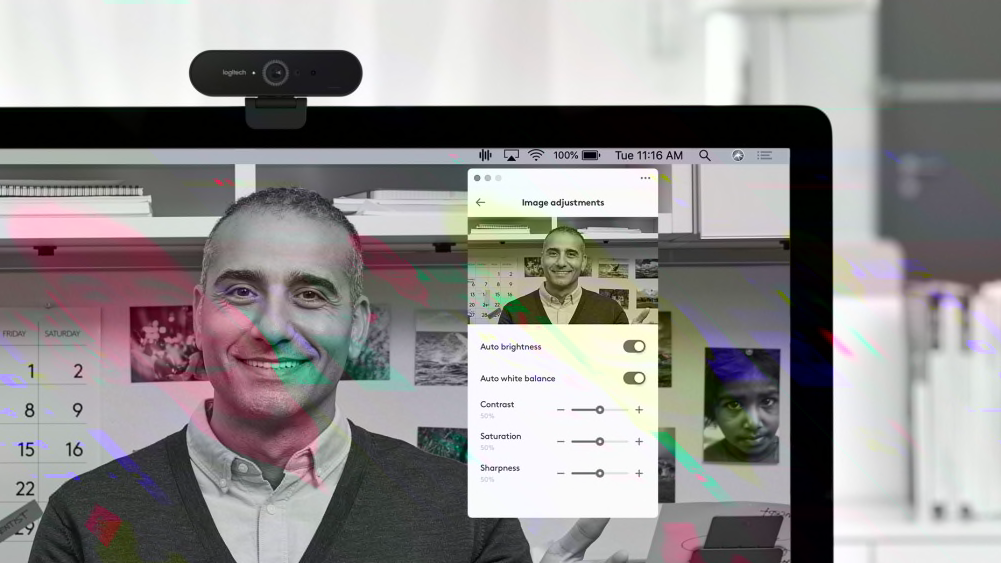
Once connected, maximize your Logitech webcam’s capabilities with these Mac-specific configuration tips for professional results.
Configure Logi Tune for Perfect Lighting and Focus
Logi Tune transforms your Logitech webcam from basic to broadcast-quality with these essential Mac settings adjustments.
-
Enable RightLight 3: In Logi Tune, activate RightLight 3 technology to automatically balance lighting—crucial when working near windows or in dim rooms. This feature works with C920, C922, and Brio models to prevent you from appearing as a silhouette during calls.
-
Set optimal resolution per app: Use 1080p for Zoom (Settings > Video > Camera > HD Pro Webcam C920), but switch to 720p for Teams if you experience lag. Higher resolutions strain older MacBook Pros—this simple change prevents frozen video during critical meetings.
-
Fix autofocus hunting: If your C920 constantly refocuses during calls, disable autofocus in Logi Tune and manually set focus by rotating the lens ring until your face appears sharp. This eliminates distracting focus shifts that make you look unprofessional.
Create Virtual Webcam Feeds for Professional Streaming
Content creators and business professionals can leverage these advanced setups for elevated video quality.
-
OBS Virtual Camera Setup: Install OBS Studio, add your Logitech webcam as a “Video Capture Device,” then click Start Virtual Camera. Now select “OBS Virtual Camera” as your video source in Zoom or Teams to apply filters, overlays, and scene transitions.
-
Background replacement without green screen: Logi Tune’s “Background Replacement” works with C920 and newer models to blur or replace your background using AI—no green screen needed. Pro tip: Position yourself at least 3 feet from walls for best results.
-
Dual camera setup for presentations: Connect two Logitech webcams (like a C920 for face and C310 for document shots), then use Logi Tune to switch between them during presentations. This professional setup takes 5 minutes to configure and instantly elevates your business calls.
Prevent Future Logitech Webcam Connection Issues on MacBook Pro
Avoid recurring problems after macOS updates with these proactive maintenance steps.
Schedule Monthly Webcam Checkups
Set a recurring calendar event to test your Logitech webcam before important meetings:
- First Monday of each month: Connect webcam, open Logi Tune, verify permissions are still active
- After any macOS update: Reboot your MacBook Pro before critical calls (updates often reset camera permissions)
- Keep Logi Tune updated: Outdated software causes 30% of post-update webcam failures
Critical warning: When macOS prompts “Your camera may not work with this app,” it’s usually referring to Logi Tune permissions. Always click “OK” and grant requested access immediately—delaying causes webcam detection failures.
Create a Webcam Emergency Kit
Prepare for last-minute meeting disasters with these essentials:
- A USB-C to USB-A adapter (tested and working)
- Logi Tune installer downloaded and saved locally
- A printed permission checklist: 1) System Settings > Camera permissions 2) Logi Tune permissions 3) App-specific settings
When your Logitech webcam fails before a critical presentation, this kit gets you back online in under 3 minutes—saving you from the embarrassment of having to use your low-quality built-in FaceTime camera.
Final Note: Your Logitech webcam should now work flawlessly with your MacBook Pro for all video applications. Remember that 80% of connection issues stem from macOS permission settings—not faulty hardware. By installing Logi Tune and granting the proper system permissions (especially the critical “System Events” access), you’ve created a stable connection that survives most macOS updates. For ongoing reliability, perform the monthly checkups described above and always connect your webcam directly to your MacBook Pro before introducing hubs or adapters. If you encounter future issues, revisit the Terminal command tccutil reset Camera—it remains the single most effective fix for sudden “camera not detected” errors after system updates.