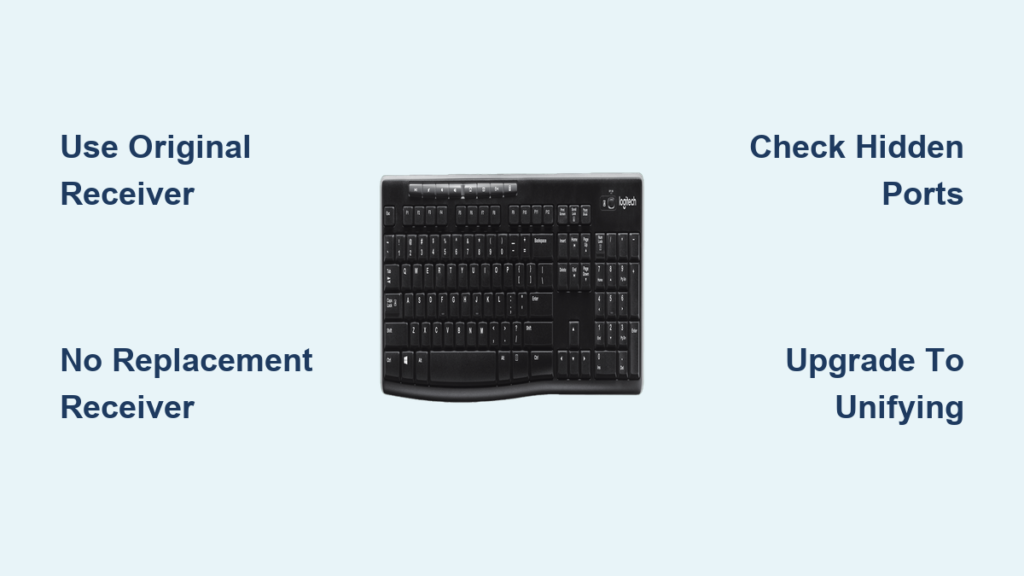
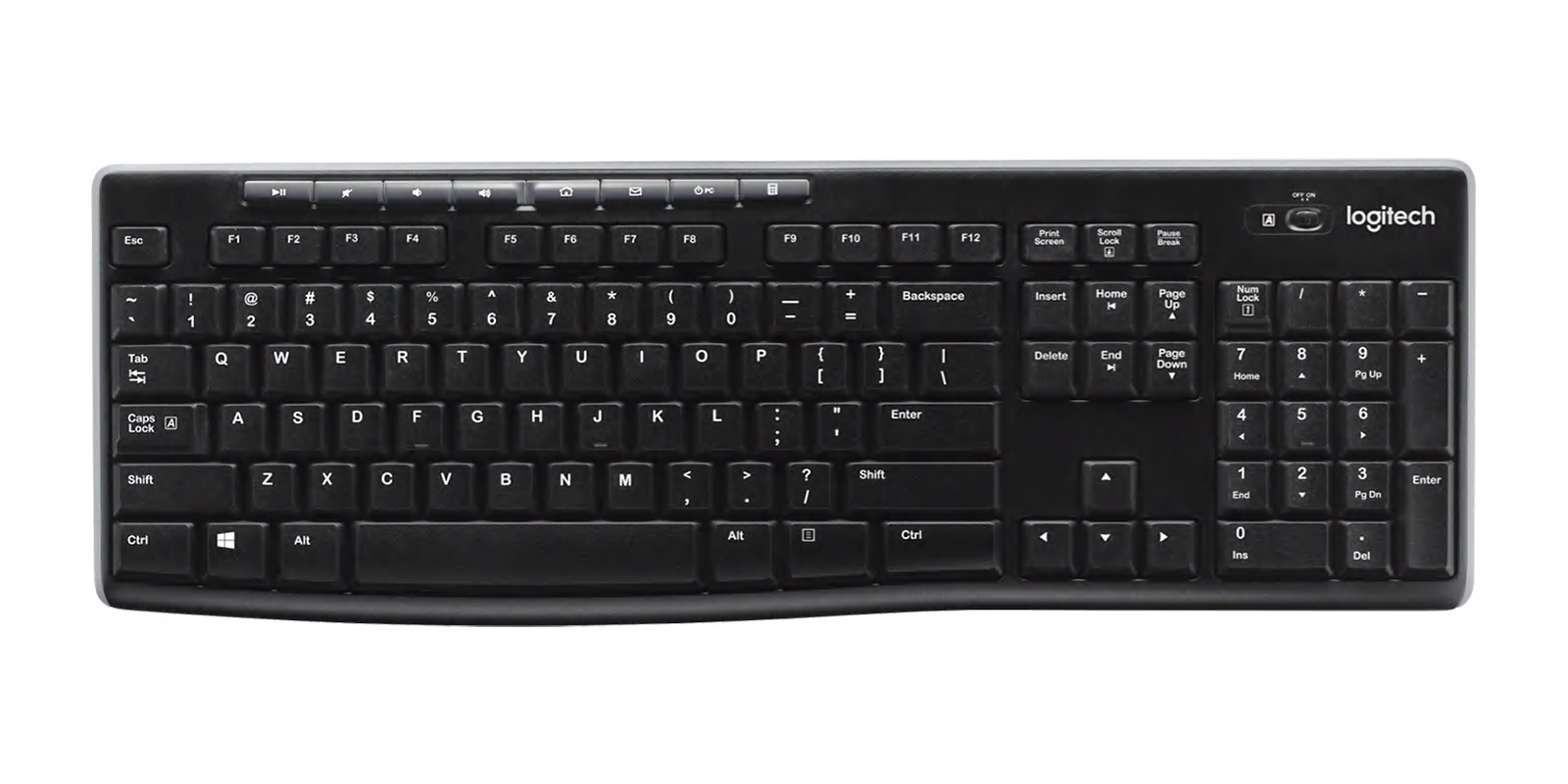
That sinking feeling when you realize your Logitech K270 keyboard won’t connect—and the tiny USB receiver is nowhere to be found—is all too familiar. You’ve tried plugging in spare Nano receivers from other Logitech devices, downloaded pairing utilities, and scoured online forums for a miracle fix. Here’s the hard truth upfront: your K270 keyboard can only work with the exact original receiver it shipped with. Unlike newer models, this keyboard has a permanent, unchangeable hardware bond to its factory-paired Nano dongle. This guide cuts through the misinformation and explains exactly why replacement receivers fail, what your actual options are, and how to avoid this frustration with future purchases—all based on Logitech’s technical specifications.
Why Your K270 Keyboard Won’t Pair With Any New Receiver
The K270’s inability to connect with replacement receivers isn’t a software glitch or user error—it’s a deliberate hardware design. Understanding this limitation saves hours of fruitless troubleshooting.
The Permanent Factory Pairing Explained
Logitech permanently links each K270 keyboard to its original Nano receiver during manufacturing using a unique encrypted signal handshake. This isn’t stored in software you can reset; it’s hard-coded into the keyboard’s circuitry. When you lost the receiver, you lost the only key that unlocks your keyboard’s functionality. Unlike Logitech’s Unifying or Bolt devices, the K270 lacks a pairing button or recovery mode because re-pairing was never engineered into its design. Attempting to force a connection with third-party tools won’t override this physical limitation—it’s like trying to start a car with the wrong physical key.
Why Logitech Nano Receivers From Other Devices Fail
You might assume a spare Nano receiver from a Logitech mouse (like the M185 or M220) would work since they look identical. Here’s why they don’t:
- Device-Specific Encryption: Each Nano receiver contains a unique digital fingerprint matching only its original device. A mouse receiver communicates using protocols the K270 keyboard’s hardware simply doesn’t recognize.
- No Universal “Logitech Signal”: Contrary to popular belief, Logitech’s Nano receivers aren’t interchangeable across devices. The K270 only “speaks” to its twin receiver through a proprietary RF language coded at the factory.
- Physical Compatibility ≠ Functional Compatibility: While the Nano receiver fits your USB port, the keyboard immediately rejects unrecognized signals. You’ll see no lights, no pairing prompts—just silence.
Why Logitech Unifying Receivers Won’t Solve Your Problem
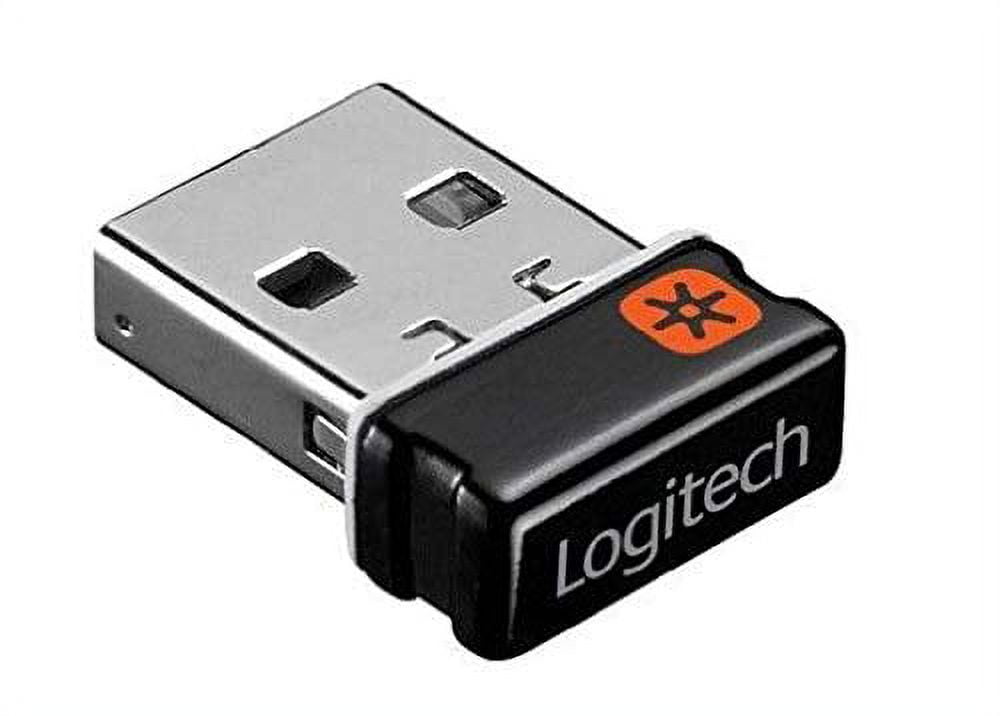
The Logitech Unifying Receiver (with its orange logo) is often suggested online as a fix. This advice is dangerously misleading for K270 owners.
Unifying Technology Compatibility Limits
The K270 predates Logitech’s Unifying ecosystem and lacks the required firmware. When you plug in a Unifying receiver:
- The keyboard ignores the signal because it’s designed for older 2.4 GHz protocols
- Logitech’s Unifying software won’t detect the K270 since it’s not on the approved device list
- No pairing button exists on the keyboard to initiate a connection
As one frustrated user discovered: “I wasted $15 on a Unifying dongle. The K270 treated it like a paperweight. Logitech’s site finally admitted it’s incompatible—why isn’t this clearer?” This isn’t an oversight—it’s a fundamental hardware mismatch.
What Logitech Connection Utilities Actually Do (And Don’t Do)
You might find Logitech’s “Connection Utility” or “Unifying Software” online and assume it’s a magic fix. These tools have narrow, specific purposes that won’t help your K270 scenario.
Why Pairing Software Fails for Lost Receivers
The Connection Utility only performs two functions:
– Connect new Unifying-compatible devices to an existing Unifying receiver
– Reset pairings for devices already recognized by your system
It cannot:
– Create new pairings for non-Unifying devices like the K270
– Override the K270’s factory-set receiver bond
– Detect the keyboard when using an incompatible receiver
If you run the utility with a replacement Nano receiver plugged in, the K270 won’t appear in the device list. This isn’t a software bug—it confirms the hardware incompatibility. Don’t waste time tweaking settings; the utility is designed for different technology.
Your Only Two Practical Solutions for a Lost K270 Receiver
Accepting these constraints is painful but necessary. Here’s what actually works—no false promises.
Locate the Original Nano Receiver: Your Best Chance
This is the only way to restore your existing keyboard. Act methodically:
- Check hidden ports: Nano receivers often get left in rarely used USB ports (like those on the back of desktops)
- Inspect mouse compartments: If you had the K270/M185 combo, the receiver likely stored in the mouse’s battery tray
- Search travel spots: Check laptop bags, pockets of recent clothing, or under desks where it may have fallen
- Use a flashlight: The receiver’s matte black finish makes it vanish against dark surfaces
Pro Tip: Attach a brightly colored lanyard or keyring to the receiver immediately upon finding it. Many users lose it repeatedly once misplaced.
Replace the Keyboard: The Realistic Fix for Most Users
If the receiver is truly gone, replacing the keyboard is your only viable path. Here’s how to do it smartly:
Stick With K270 Compatibility (Budget Option)
Buy a new K270 combo pack ($30-$40). You’ll get:
– A keyboard pre-paired to its included receiver
– A new mouse (usually M185 or M220)
– No setup hassle—the keyboard works immediately
Downside: You’re stuck with the same pairing limitations if you lose the new receiver.
Upgrade to Future-Proof Technology (Recommended)
Invest in a Unifying or Bolt-compatible keyboard ($50-$150) to avoid this problem forever:
– Logitech K350/K580: Uses Unifying receiver—pair multiple devices, replace receivers via software
– MX Keys/MX Mechanical: Uses Bolt or Bluetooth—re-pair via Logi Options+ app if dongle is lost
– Key Advantage: Lose a receiver? Buy a $15 replacement Unifying dongle and re-pair in seconds using software
Critical Check: Verify “Unifying” or “Bolt” in the product description—don’t assume all Logitech wireless keyboards share this flexibility.
What Absolutely Will Not Work (Save Your Time)
Avoid these common but futile attempts that flood online forums:
- Buying “K270 replacement receivers” on Amazon/eBay: These are generic Nano dongles. Since they’re pre-paired to other devices, your K270 won’t recognize them. One buyer reported: “Seller sent a ‘K270 receiver’ that worked with their mouse but not my keyboard. Logitech confirmed it’s useless.”
- Using Bluetooth adapters: The K270 has no Bluetooth capability—it’s RF-only.
- Resetting the keyboard: Removing batteries won’t clear the pairing; there’s no reset button.
- Contacting Logitech support for a replacement receiver: They won’t provide one since the pairing is hardware-locked. As their official stance states: “The receiver and device are sold as a set. We cannot supply replacement receivers.”
Preventing Future Receiver Nightmares

If you replace your K270, implement these safeguards immediately:
- Attach a receiver lanyard: Use a silicone loop or keychain that won’t detach accidentally
- Store spares: For Unifying/Bolt keyboards, buy a $10 backup receiver and pair it upfront
- Enable Bluetooth pairing: Choose keyboards with dual connectivity (like K380) so you can switch to Bluetooth if the receiver is lost
- Label your receivers: Put colored tape on dongles matching your device colors
Final Reality Check: When to Let Go
The K270’s receiver dependency isn’t a flaw—it’s a cost-saving design choice for an entry-level product. But when the receiver vanishes, you’re left with an expensive paperweight. As one technician bluntly puts it: “I’ve seen 20 K270s thrown in the trash because people refused to believe they couldn’t re-pair it. Accept the limitation—it’s cheaper to replace than to fight.”
If you’ve exhausted all search efforts, don’t waste more hours on false solutions. Replace the keyboard with a Unifying or Bluetooth model, and you’ll never face this panic again. Your productivity is worth more than clinging to obsolete hardware. For immediate needs, plug in a wired keyboard while waiting for your new wireless model—it’s the fastest path back to work. And next time you see that tiny Nano receiver? Treat it like the irreplaceable lifeline it is.