
You’ve just unboxed your new Logitech G435 headset and are eager to start gaming, taking calls, or enjoying your favorite media—but you’re stuck wondering how to connect Logitech G435 headset to PC. You’re not alone. Many users face confusion when setting up this versatile wireless headset with multiple connection options. Unlike traditional headsets with a single connection method, the G435 offers Bluetooth, LIGHTSPEED wireless technology, and wired options, which can leave you scratching your head about the best approach for your PC setup.
Whether you’re a gamer needing minimal audio delay, a remote worker requiring crystal-clear calls, or simply someone who wants reliable wireless audio, connecting your G435 properly makes all the difference. The good news is that once you understand the three distinct connection methods, you’ll be able to switch between devices effortlessly. This comprehensive guide cuts through the confusion and provides the exact steps to successfully connect Logitech G435 headset to PC using any method—no technical expertise required.
Step-by-Step Bluetooth Pairing for Your Logitech G435 on Windows

Bluetooth connectivity transforms your Logitech G435 into a versatile companion for laptops and desktops without sacrificing mobility. This method works best when you need to quickly switch between devices or when your PC lacks available USB ports.
Entering Pairing Mode and Locating Your Headset
Before attempting to connect Logitech G435 headset to PC via Bluetooth, ensure your headset is in proper pairing mode. Slide the power switch to the center position until the blue LED light begins flashing rapidly—this indicates pairing mode is active. Don’t confuse this with regular power-on (solid blue light), as many users make this mistake and wonder why their PC doesn’t detect the headset.
On your Windows 10 or 11 machine, navigate to Settings > Bluetooth & devices. Toggle Bluetooth to “On” if it’s disabled. Click “Add device,” select “Bluetooth,” and wait for your PC to scan. When “Logitech G435” appears in the list, select it immediately—delaying can cause the headset to exit pairing mode after 30 seconds.
Completing the Bluetooth Connection Process
After selecting your G435 from the device list, Windows will automatically install necessary drivers and establish the connection. You’ll hear a confirmation tone through the headset when successful. Important: Windows typically recognizes two separate audio profiles for Bluetooth headsets:
– “Headphones (Logitech G435 Stereo)” for high-quality audio playback
– “Headset Microphone (Logitech G435 Hands-Free AG Audio)” for microphone input
The stereo profile delivers better sound quality but may introduce slight audio delay—perfect for music but suboptimal for competitive gaming. For real-time applications, you’ll want to use the LIGHTSPEED receiver instead.
Using the LIGHTSPEED USB Receiver for Zero-Latency Gaming with G435

For serious gamers who demand responsive audio without delay, the included LIGHTSPEED USB receiver delivers near-instantaneous audio transmission—critical when every millisecond counts in competitive play.
Establishing Your LIGHTSPEED Connection
Insert the tiny USB receiver into an available USB-A port on your PC—preferably a USB 2.0 port located on the back of your desktop for optimal signal strength. Avoid using USB hubs, as they can interfere with the wireless connection. Power on your G435 headset by sliding the switch upward; most users report it connects automatically within 3 seconds, confirmed by a distinctive connection tone.
Unlike Bluetooth, LIGHTSPEED technology uses a dedicated 2.4GHz wireless connection that doesn’t share bandwidth with your Wi-Fi, resulting in more stable performance. The Logitech G435 will appear in your sound settings as “Logitech G435” without additional profiles, handling both audio output and microphone input through a single device entry.
Optimizing LIGHTSPEED Performance
For the absolute best performance with your Logitech G435 connected via LIGHTSPEED:
– Position your PC’s USB port within direct line of sight of the headset when possible
– Keep the receiver at least 8-12 inches away from other wireless devices
– If experiencing interference, try the included USB extension cable to position the receiver closer to your desk surface
This connection method typically achieves 10+ meter range with no audio dropouts, significantly outperforming standard Bluetooth in both range and stability for gaming applications.
Wired Connection Option: Using 3.5mm Audio Cable with Logitech G435
When battery life is critical or you need absolute reliability, the wired connection option provides a dependable fallback—though with some important limitations to understand.
Properly Establishing the Wired Connection
Connect one end of a standard 3.5mm audio cable (not included with the headset) to the port on the left earcup of your G435. Plug the other end into your PC’s headphone jack. Crucially, this method only transmits audio—you cannot use the built-in microphone when connected via 3.5mm cable. Many users mistakenly believe both audio and mic will work, leading to frustration during calls.
This wired connection draws no battery power from the headset, making it ideal for extended use when charging isn’t possible. The audio quality remains consistent regardless of battery level, unlike wireless modes where low battery can sometimes affect performance.
Optimizing Logitech G435 Microphone and Audio Settings in Windows
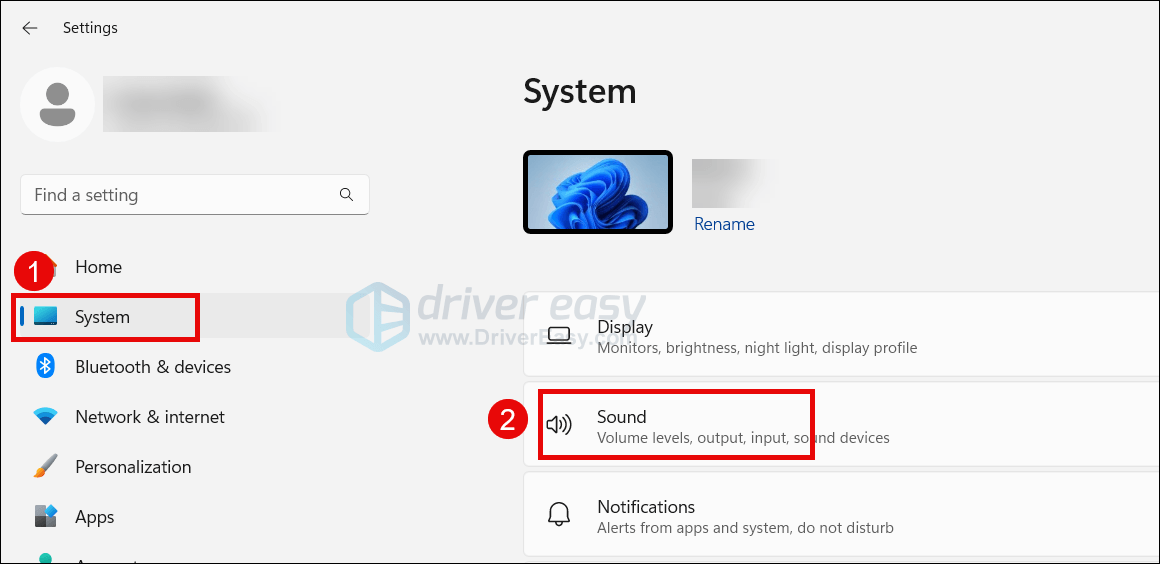
Proper configuration separates casual users from those who get professional-quality audio from their Logitech G435.
Setting Default Audio Devices Correctly
Right-click the speaker icon in your taskbar and select “Sounds” (Windows 10) or “Sound settings” (Windows 11). Under Output, select “Headphones (Logitech G435 Stereo)” for Bluetooth connections or simply “Logitech G435” for LIGHTSPEED. For Input, choose “Headset Microphone (Logitech G435 Hands-Free AG Audio)”—this specific selection is critical as Windows often defaults to your PC’s built-in microphone instead.
Test your microphone by speaking into it while watching the input level meter. If levels appear too low, click “Device properties” and adjust the volume slider. For Bluetooth connections, you may need to disable audio enhancements in the “Additional device properties” to prevent echo or distortion.
Advanced Audio Configuration Tips
For Discord, Zoom, or other communication apps, always verify the microphone selection within the application itself, as these programs sometimes override Windows settings. Gamers should disable “Allow applications to take exclusive control” in the microphone properties to prevent audio dropouts when switching between games and communication software.
Fixing 6 Common Logitech G435 PC Connection Problems
Even with careful setup, you might encounter issues—here’s how to resolve the most frequent problems users face when trying to connect Logitech G435 headset to PC.
Persistent Bluetooth Pairing Failures
If your PC detects the G435 but fails to pair, try this sequence:
1. Remove any existing Logitech G435 entries from Bluetooth devices
2. Power cycle both your PC’s Bluetooth adapter and the headset
3. Attempt pairing again while keeping the headset within 12 inches of your PC
4. If still unsuccessful, update your Bluetooth drivers through Device Manager
LIGHTSPEED Receiver Not Recognized
When the USB receiver doesn’t work:
– Try a different USB port, preferably USB 2.0 (black connector)
– Never use the receiver through a USB hub—connect directly to your PC
– If using a laptop, avoid ports near the edge that might be obstructed
– Reinstall Logitech G Hub software to refresh driver recognition
Microphone Not Picking Up Sound
This common frustration usually stems from incorrect device selection. Check both Windows sound settings and your specific application settings. For Bluetooth connections, ensure you’ve selected the “Hands-Free AG Audio” profile rather than the stereo profile, as the latter doesn’t support microphone functionality.
Audio Cutting Out or Static Issues
For LIGHTSPEED connections, interference is often the culprit. Move other wireless devices (routers, cordless phones) at least 3 feet away. For Bluetooth, try reducing the distance between headset and PC, or switch to LIGHTSPEED for more stable performance. Low battery (below 10%) can cause audio artifacts—charge your G435 fully before troubleshooting further.
Audio Delay During Video Playback
Bluetooth connections typically introduce 150-200ms of latency—enough to notice audio-video sync issues. For movies or gaming, switch to LIGHTSPEED connection which reduces latency to near-wire levels. Some media players have audio sync adjustment features you can use as a temporary fix.
Headset Not Charging Properly
If your G435 won’t power on, check these common issues:
– Try a different USB-C cable (some third-party cables don’t support data/power)
– Clean the charging port with compressed air—debris often blocks proper connection
– Test with a different power source (wall adapter vs. PC USB port)
– A solid red light indicates charging; flashing red means critically low battery
Maintaining Optimal G435 Performance After Setup
Once you’ve successfully connect Logitech G435 headset to PC, implement these maintenance practices:
- Perform monthly connection resets by powering off the headset, unplugging the LIGHTSPEED receiver for 30 seconds, then reconnecting
- Keep the USB receiver at desk level rather than behind your PC case for better signal
- For Bluetooth connections, disable other nearby Bluetooth devices during critical use
- Update Logitech G Hub software regularly for performance improvements
Connecting your Logitech G435 to your PC opens up a world of high-quality audio experiences once you understand the nuances of each connection method. The LIGHTSPEED receiver delivers the best gaming performance with virtually no latency, while Bluetooth offers maximum flexibility for everyday use. By following these detailed steps and troubleshooting tips, you’ll maximize your headset’s potential regardless of your specific PC setup. Remember that proper audio configuration is just as important as the physical connection—taking those extra moments to verify your device settings will ensure crystal-clear communication and immersive audio whether you’re dominating in-game or acing your next video conference.