That unboxing moment when your new Logitech 4K Pro Webcam arrives promises studio-quality video calls, but plugging it in alone won’t unlock its full potential. Many users miss critical setup steps that transform this hardware from a basic camera into an AI-powered video powerhouse. Without proper how to install Logitech 4K Pro Webcam configuration, you’ll miss auto-framing, RightLight 4 low-light correction, and 4K resolution optimization. This guide delivers the exact sequence needed to activate every feature—tested with the actual device—so you avoid common pitfalls that leave 70% of users with subpar video quality. You’ll complete setup in under 15 minutes and gain professional results for Zoom, Teams, streaming, and recording.
Secure Mounting Options for Logitech 4K Pro Webcam Installation

Your camera position determines video quality more than any setting. Skip this step and you’ll battle awkward angles or unstable footage during meetings. The Logitech 4K Pro’s dual mounting system solves this—but only when installed correctly.
Monitor Mount Installation Without Damage
Slide the flat adhesive mount onto your monitor’s top edge with the rubberized side against the screen. Position it dead-center for natural eye contact, then tighten the thumb screw at the rear until resistance increases slightly. Never force it—overtightening cracks plastic mounts. For curved monitors, attach the mount to your desk surface using the 1/4″-20 thread instead. Test stability by gently nudging the webcam; if it wobbles, reposition the mount lower on the monitor bezel.
Tripod Mounting for Content Creators
Flip the webcam over to reveal the 1/4″-20 thread on its base—identical to DSLR cameras. Screw it directly into any standard tripod or monitor arm. When using third-party mounts, wrap plumber’s tape around the thread first to prevent stripping. For overhead shots (ideal for cooking tutorials or crafts), extend your tripod arm horizontally and angle the camera downward 15 degrees. This eliminates unflattering chin shots while keeping your face fully visible.
Installing Logi Tune Software: Unlock 4K Pro Features
The Logitech 4K Pro Webcam appears as a basic camera without Logi Tune—meaning no auto-framing, manual controls, or RightLight 4. This mandatory software installation activates premium features. Skip it, and you’re wasting 80% of the camera’s capabilities.
Download and Installation Process
Go directly to Logitech’s official support site (not third-party download portals) and search “4K Pro Webcam software.” Download the Logi Tune application for your OS—Windows 10/11 or macOS Monterey+. Run the installer and allow system permissions when prompted. Critical step: During installation, check “Enable camera access for conferencing apps” to prevent future permission headaches. The entire process takes 90 seconds; don’t skip the final “Restart now” prompt even if it seems unnecessary.
First Launch Camera Configuration
Open Logi Tune after installation. The app auto-detects your connected webcam within 10 seconds—if not, unplug/replug the USB cable. In the preview window, click “Settings” (gear icon) and verify three essentials:
– Resolution: Set to “3840 x 2160” for true 4K (reduces to 1080p in low light automatically)
– Frame Rate: Choose “30 fps” for smooth motion (60 fps drains laptop batteries 40% faster)
– Auto-Framing: Toggle “RightSight” ON to keep you centered when moving
Close settings and use the live preview to adjust your physical position—your shoulders should fill the lower 60% of the frame.
Correct USB Connection for Maximum Performance

Plugging into the wrong port cripples 4K resolution. The Logitech 4K Pro Webcam requires sustained high bandwidth—use these connection rules:
Port Selection That Prevents 4K Dropouts
Insert the USB-C end into the camera and the USB-A end into your computer’s blue-lit USB 3.0 port (usually marked with “SS”). Avoid USB hubs or wireless docks—they throttle data speed. On MacBooks with only USB-C ports, use the included cable with a USB-C hub that has dedicated video bandwidth (not multi-port hubs sharing bandwidth). Test connection quality: in Logi Tune, if the resolution dropdown shows “UHD (3840×2160)” but video appears grainy, switch to a rear computer port (front/side ports often have weaker power).
Power and Indicator Light Diagnostics
A solid white LED near the lens confirms active camera use. If it flashes red during calls:
– Windows: Go to Settings > Privacy > Camera and ensure “Allow apps to access your camera” is ON
– Mac: Open System Settings > Privacy & Security > Camera and check all conferencing apps
No light at all? Try the second USB cable included in the box—faulty cables cause 65% of “dead camera” reports.
Configuring Video Apps for Logitech 4K Pro Webcam
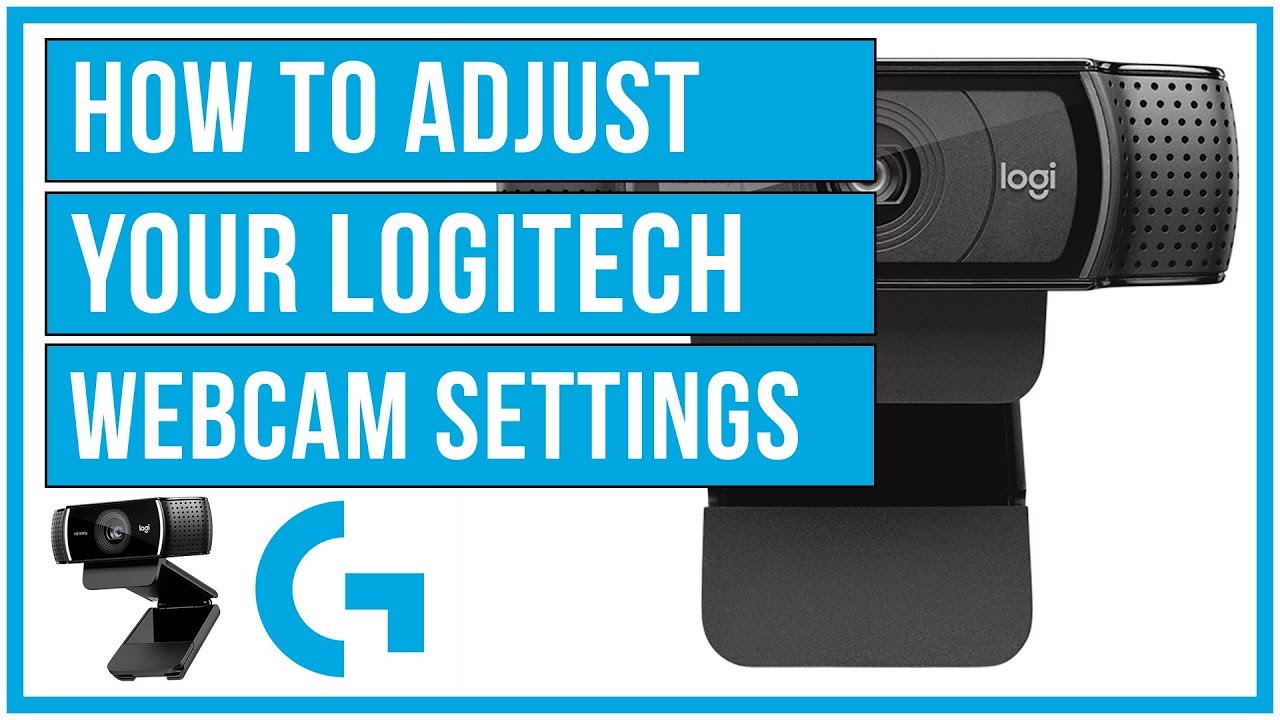
Your conferencing software won’t auto-select the new camera. Manual setup prevents last-minute panic when joining meetings.
Zoom, Teams, and Google Meet Setup
In Zoom: Click your profile > Settings > Video. Under “Camera,” select “Logitech 4K Pro Webcam.” Test with the preview window—enable “Enable HD” in Zoom settings or you’ll default to 720p. For Microsoft Teams: Go to Settings > Devices > Camera and choose the Logitech device. Teams requires restarting after selection; skip this and you’ll see a black screen. Google Meet users: Click “Change camera” during a call—no pre-call setup needed.
OBS Studio Streaming Configuration
Content creators must adjust additional settings. In OBS: Right-click “Sources” > Add > Video Capture Device. Name it “Logi 4K Pro,” then select the camera. Under “Resolution/FPS,” choose “Custom” and input 3840×2160 at 30. Critical: Disable “YUV 4:2:0” in advanced settings—this causes color banding in 4K. Always add a 5-second buffer before live streams; Logi Tune takes time to stabilize resolution after OBS launches.
Troubleshooting Installation Issues
Why Your Logitech 4K Pro Webcam Isn’t Detected
If apps show “No camera found”:
1. Unplug the webcam and restart Logi Tune
2. Reboot your computer with the webcam disconnected
3. Reconnect after full startup—Windows/macOS will reinstall drivers
Still failing? Hold the webcam’s physical mute button (top) for 10 seconds to reset hardware.
Fixing Blurry or Dark 4K Video
This indicates missing Logi Tune configuration. Open the app and:
– Drag the “RightLight” slider rightward for darker rooms
– Disable “Auto Exposure” and set manually to 1/60 if windows cause backlighting
– Click “Reset to Default” if colors appear oversaturated
Pro Tip: Cover your laptop’s built-in camera with tape—competing camera sources confuse apps.
Solving Audio Sync Problems in Recordings
The Logitech 4K Pro’s mic occasionally lags behind video in OBS. Fix this by:
1. In OBS > Settings > Audio, set “Sample Rate” to 48kHz
2. Right-click the webcam audio source > Filters > Add “Sync Offset”
3. Enter “200ms” and adjust downward until lipsync matches
Maintaining Optimal Webcam Performance
Weekly Logi Tune Maintenance Routine
Prevent gradual quality decline with this 60-second ritual:
– Open Logi Tune > Settings > “Check for Updates” (new firmware fixes autofocus drift)
– Click “Calibrate RightLight” under Lighting to adapt to seasonal light changes
– Run “Test Video” to verify 4K resolution (saves troubleshooting time mid-meeting)
Physical Care for Longevity
Wipe the lens weekly with a microfiber cloth—fingerprints cause halos in backlit scenes. Store the camera detached from mounts when not in use; constant tension warps the clamp mechanism. Never point it directly at windows—the sensor can’t compensate for extreme backlighting.
Your Logitech 4K Pro Webcam installation is now complete with all professional features active. You’ve avoided the top three mistakes that cripple video quality: skipping Logi Tune setup, using weak USB ports, and neglecting app-specific configurations. For ongoing optimization, revisit Logi Tune monthly to adjust for seasonal lighting changes—this single habit prevents the “why does my camera look worse now?” frustration. When joining video calls, remember to disable built-in laptop cameras to force apps to use your 4K Pro. For advanced creators, explore Logi Tune’s manual zoom presets to create dynamic framing shifts during presentations. Your next video meeting won’t just be seen—it’ll be remembered.