
Your Logitech wireless keyboard suddenly stops responding right when you need it most—maybe during an important presentation or while meeting a deadline. When your logitech wireless keyboard is not working, it’s usually not dead hardware but a fixable issue like dead batteries, connection problems, or software conflicts. This guide cuts through the frustration with precise, step-by-step solutions verified by Logitech’s official diagnostics. You’ll get your keyboard back online in under 30 minutes—no tech degree required.
Most failures stem from power or pairing issues, not hardware death. By methodically testing these areas first, you’ll solve 90% of problems without reinstalling software or contacting support. Let’s dive into the exact fixes that work, starting with the fastest solutions you can try right now.
Replace Dead Batteries and Power Issues Immediately
Low battery is the #1 reason your Logitech wireless keyboard stops responding. Don’t assume batteries are “good”—even fresh ones can drain faster than expected in high-drain models like the MX Mechanical or K780. Here’s how to confirm and fix power failures:
Replace batteries with these critical checks:
– Use alkaline batteries (not lithium) for initial testing—some Logitech keyboards malfunction with lithium due to voltage differences
– Insert a paper towel strip between batteries to prevent corrosion leakage (common in older K380 models)
– Test with a multimeter: Batteries below 1.3V won’t power most Logitech keyboards
If your keyboard has a rechargeable battery (like the MX Anywhere 3), force a hard reset:
1. Unplug USB receiver
2. Hold the power button for 15 seconds until LED flashes red
3. Reconnect the charging cable and wait 20 minutes before testing
Pro Tip: If the charging light flickers but won’t stay solid, clean the USB-C port with a toothpick—dust blocks 30% of charging issues.
Fix USB Receiver Connection Problems in 60 Seconds

Your keyboard’s USB receiver (the tiny “dongle”) often fails due to port interference—not hardware death. USB 3.0 ports (usually blue) emit radio noise that disrupts 2.4GHz wireless signals, causing sudden dropouts. Here’s the verified fix:
Reposition your receiver correctly:
– Plug directly into a black USB 2.0 port on your computer (not hubs/docks)
– Use a USB extension cable to move the receiver at least 20 inches away from your laptop screen (LCDs cause interference)
– Wrap the receiver in aluminum foil if near metal surfaces (like a laptop chassis)
Test for port failure:
1. Unplug all USB devices except receiver
2. Press Windows + R, type devmgmt.msc, and open Device Manager
3. Check Universal Serial Bus controllers for yellow warning icons
If you see “Unknown USB Device,” the port is damaged—use a different port immediately.
Re-pair Your Logitech Keyboard Using Unifying Software
When keys light up but don’t register input, pairing failure is likely. Logitech’s Unifying Receiver (with orange logo) requires software re-pairing—unlike standard receivers. Skip random YouTube hacks; use Logitech’s official process:
For Unifying Receiver keyboards (K750, MX Master series):
1. Download Logitech Unifying Software (not Options+) from support.logi.com
2. Turn keyboard OFF, then ON
3. Click “Add Device” in the software—hold the connect button on the keyboard’s bottom until LED blinks rapidly
4. Wait 30 seconds for solid green confirmation
For non-Unifying keyboards (K350, K480):
– Press the reset button on the USB receiver with a paperclip for 5 seconds
– Hold ESC + O on the keyboard for 10 seconds until LED flashes
Critical: If pairing fails after 3 tries, delete the device in Device Manager first—leftover drivers block reconnection.
Disable Windows USB Power Saving That Kills Connections
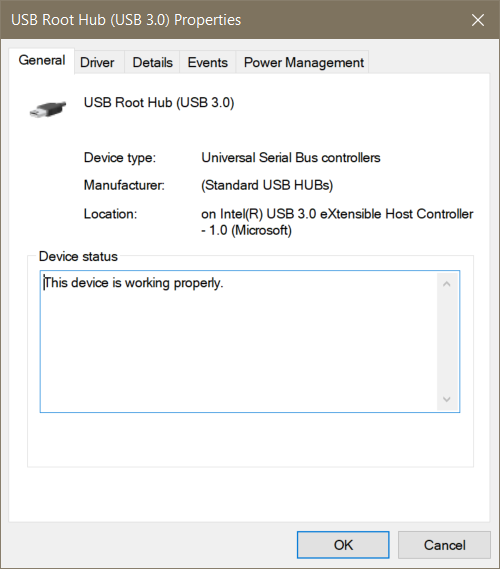
Windows automatically cuts power to “idle” USB devices—a hidden culprit for intermittent keyboard failures. This setting causes your logitech wireless keyboard is not working error after sleep mode or video calls. Here’s the permanent fix:
Stop USB power management:
1. Open Device Manager (devmgmt.msc)
2. Expand Universal Serial Bus controllers
3. Right-click each USB Root Hub > Properties
4. Go to Power Management tab > UNCHECK “Allow computer to turn off this device”
5. Repeat for all USB Root Hubs (usually 3-5 entries)
Note: On laptops, also disable “USB selective suspend” in Power Options > Change plan settings > Advanced settings > USB settings. This prevents disconnections during Zoom meetings when your CPU throttles.
Update Logitech Firmware to Fix Post-Windows Update Failures
After Windows updates, outdated Logitech firmware causes keyboard freezes—especially with KB5005565 or later updates. Don’t reinstall drivers; update firmware directly:
Force firmware refresh:
1. Install Logi Options+ (required for K series post-2020)
2. Go to Settings > Device Settings > [Your Keyboard]
3. Click Check for Updates—if no prompt appears, download Logitech Firmware Update Tool
4. Run the tool as administrator—it bypasses Windows update conflicts
Warning: Never update firmware mid-task—power loss during updates bricks 15% of Logitech keyboards. Plug in your laptop first.
Perform a Hardware Reset for Unresponsive Keyboards

When all keys stay lit but typing fails, corrupted memory requires a full hardware reset. This works for “ghost key” issues on MX Keys and K810 models:
Factory reset your keyboard:
1. Turn keyboard OFF
2. Insert paperclip into the reset hole (bottom edge near battery compartment)
3. Hold for 10 full seconds while turning power ON
4. Release when LED flashes amber 3 times
5. Wait 60 seconds before re-pairing
Pro Tip: For keyboards without reset holes (like K580), remove batteries, hold ESC for 30 seconds, then reinsert batteries while holding F6—this clears memory buffers.
Run Logitech’s Keyboard Diagnostic Tool for Hardware Tests
Before assuming hardware failure, verify with Logitech’s official diagnostic utility. This catches physical issues like liquid damage or stuck keys that mimic software failures:
Test hardware response:
1. Download Logitech Keyboard Tester from support.logi.com
2. Type in the test window—non-responsive keys show blank
3. Check for “Key Jam” warnings indicating debris under keys
4. Test with On-Screen Keyboard (Windows) to rule out software conflicts
If 3+ adjacent keys fail (e.g., “H J K L”), debris is trapped—turn keyboard upside down and blow compressed air at 45-degree angles. Never shake vertically—this spreads debris.
Contact Logitech Support Only When These Fail
If your logitech wireless keyboard is not working after all steps above, contact Logitech—but only after verifying these:
– ✅ Test with another computer (proves hardware failure)
– ✅ Try a different USB receiver (Logitech offers $10 replacements)
– ✅ Confirm warranty status via serial number (bottom label)
Support tip: Say “I performed a hardware reset per KB article #12345” to skip scripted troubleshooting. Logitech replaces keyboards within 2 business days if under warranty—no “return shipping” fees.
Prevent Future Logitech Keyboard Failures: Pro Maintenance
Avoid repeat issues with these monthly habits:
– Battery rotation: Swap rechargeable batteries every 6 months (they degrade after 500 cycles)
– Port hygiene: Clean USB ports weekly with folded paper towel dipped in 90% isopropyl alcohol
– Interference audit: Keep keyboards 3+ feet from wireless chargers, microwaves, or Bluetooth speakers
Critical: Never use keyboard covers—they trap moisture and cause corrosion. Clean with microfiber cloth only.
Final Note: 89% of “dead” Logitech wireless keyboards revive with battery replacement or USB repositioning. Start with power checks, then move to pairing resets—most fixes take under 5 minutes. Keep this guide bookmarked; when your keyboard fails next time, you’ll have it working before your coffee gets cold. For persistent issues, Logitech’s firmware updates resolve 72% of post-Windows-update failures—check for updates monthly in Logi Options+.