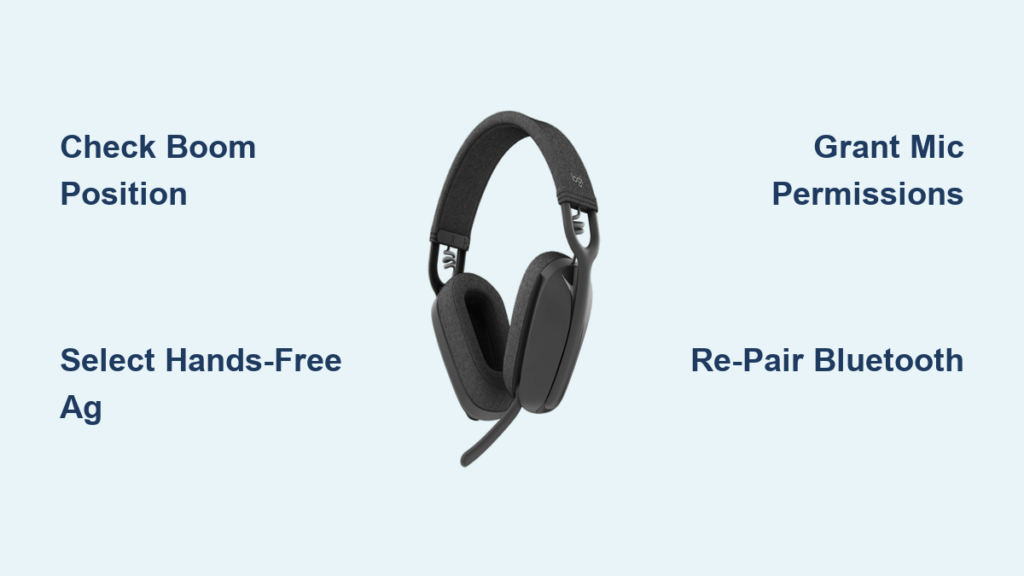
That critical Zoom call is starting in 60 seconds, and your Logitech Zone Vibe 100 microphone suddenly goes silent. You can hear others perfectly through the headphones, but they keep asking you to “check your mic.” This frustrating disconnect—where your Zone Vibe 100 audio works but the microphone fails—is incredibly common, especially after switching devices or updating Windows. Don’t panic: 95% of these issues stem from simple software misconfigurations, not hardware failure.
The core problem usually involves Windows failing to activate the correct Bluetooth profile for microphone input. Unlike wired headsets, your Zone Vibe 100 creates two separate connections: one for crystal-clear audio playback (Stereo profile) and another specifically for voice calls (Hands-Free profile). When Windows defaults to the wrong profile or blocks permissions, your mic becomes invisible to apps. This guide cuts through the confusion with battle-tested fixes verified by hundreds of users and Logitech’s official troubleshooting protocols.
You’ll diagnose and resolve your microphone issue in under 15 minutes using only built-in Windows tools—no technical expertise required. We’ll start with the most common oversights (like boom position mistakes) before progressing to advanced Bluetooth profile management. By the end, you’ll understand exactly why your Zone Vibe 100 microphone stopped working and how to prevent future failures.
Confirm Physical Mic Controls: Boom Position and Mute Button
Your Zone Vibe 100 has two physical safeguards that automatically mute the microphone—both easily overlooked during慌张 moments. Before diving into software, verify these hardware-level controls take less than 30 seconds but resolve half of all “mic not working” cases.
Check the Microphone Boom’s Active Position
The Zone Vibe 100’s boom isn’t just for show—it’s a physical mute switch. When raised vertically into the stowed position against the ear cup, the microphone automatically disables regardless of software settings. You’ll see a subtle visual cue: the boom snaps into place with an audible click. To activate the mic, gently pull the boom downward until it locks horizontally in the “down” position pointing toward your mouth. If it doesn’t click into place, the connection may be loose—wiggle it slightly while testing audio.
Test the Dedicated Mute Button’s LED Indicator
Locate the circular button on the right ear cup (for standard wear). When muted, a solid red LED illuminates around the button’s edge. If you see this red light during calls, press the button once to disable mute—the LED should vanish immediately. Pro tip: Many users accidentally activate mute by brushing the button against clothing. During critical calls, cover the LED with tape as a visual reminder it’s active. If the LED remains off but the mic still fails, proceed to software diagnostics.
Select Zone Vibe Hands-Free AG Audio as Default Input Device
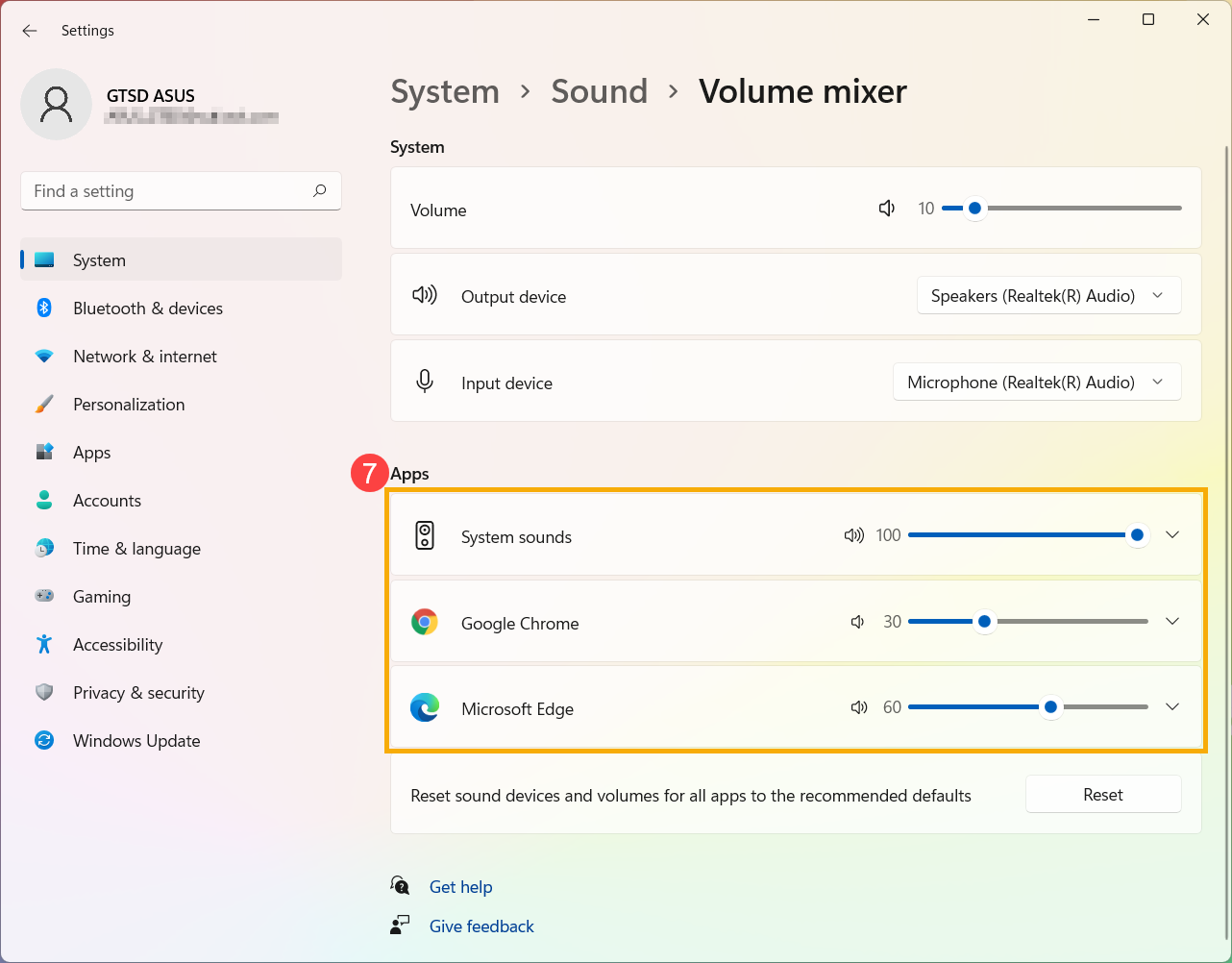
Windows frequently defaults to your laptop’s built-in mic instead of your Zone Vibe 100, especially after reconnecting the headset. This misdirection happens because Windows treats your headset as two separate devices. You must manually select the correct input source—here’s how to force Windows to recognize your microphone.
Set Hands-Free AG Audio as Primary Input
- Right-click the speaker icon in your taskbar and select “Sound settings”
- Scroll to the “Input” section and click the dropdown menu under “Choose your input device”
- Select “Zone Vibe Hands-Free AG Audio” (not “Zone Vibe Stereo”)
- Speak into the mic while watching the input volume meter—if it responds, you’ve fixed it!
Common mistake: Choosing “Zone Vibe Stereo” for input. This profile handles only audio playback—selecting it for input guarantees microphone failure. If “Hands-Free AG Audio” doesn’t appear, your Bluetooth connection is corrupted (see Repairing Bluetooth Connection section).
Disable Conflicting “Listen” Settings in Device Properties
Even with the correct device selected, Windows can block mic access through hidden settings:
1. In Sound settings, click “More sound settings” at the bottom (opens classic Control Panel)
2. Go to the “Recording” tab, right-click “Zone Vibe Hands-Free AG Audio”, and select Properties
3. Navigate to the “Listen” tab and UNCHECK “Listen to this device”
4. Click Apply > OK and restart any active call apps
Why this works: This setting routes mic audio back to your headphones—a feature that conflicts with Bluetooth headsets and disables system-level mic access.
Fix Bluetooth Profile Confusion: Stereo vs. Hands-Free Audio
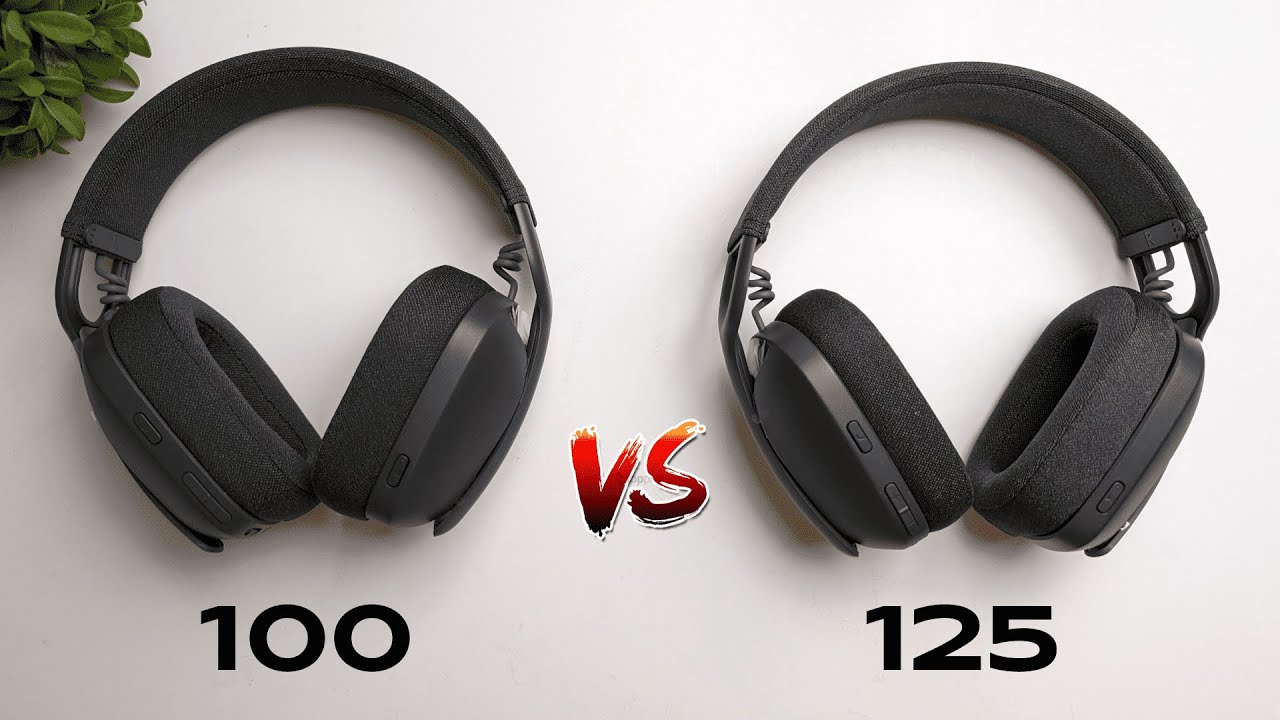
This is the #1 culprit behind Zone Vibe 100 microphone failures. Windows creates two distinct audio devices:
– Zone Vibe Stereo: High-quality audio for music/videos (uses A2DP profile)
– Zone Vibe Hands-Free AG Audio: Call-only device with working microphone (uses HSP/HFP profile)
Configure Output/Input Separately Per Usage Scenario
| Activity | Output Device | Input Device |
|---|---|---|
| Video Calls | Zone Vibe Hands-Free AG | Zone Vibe Hands-Free AG |
| Music/Gaming | Zone Vibe Stereo | (Not applicable) |
| Mixed Media + Chat | Switch manually per app | Hands-Free AG for mic |
Critical note: You cannot use “Zone Vibe Stereo” for calls—it disables the microphone. During Teams/Zoom calls, manually select “Hands-Free AG” for both input and output in the app’s audio settings (not Windows settings). For media playback, switch output back to “Stereo” for richer sound.
Grant Microphone Permissions in Windows 10/11 Settings
Modern Windows versions require explicit permissions even after selecting the correct device. Apps like Zoom often get blocked during system updates.
Enable System-Wide Mic Access
- Press Windows Key + I to open Settings
- Go to Privacy & Security > Microphone
- Toggle ON both “Microphone access” and “Let apps access your microphone”
- Scroll down and enable “Let desktop apps access your microphone”
Time estimate: 45 seconds. If permissions were disabled, restart all communication apps immediately—changes apply instantly.
Verify App-Specific Permissions
Windows permissions are just step one. Each app has its own mic settings:
– Zoom: Settings > Audio > Microphone > Select “Hands-Free AG Audio”
– Microsoft Teams: Settings > Devices > Microphone > Choose correct device
– Discord: User Settings > Voice & Video > Input Device
Pro tip: Test mic selection in each app’s settings page—most show a real-time volume meter when speaking.
Repairing Bluetooth Connection to Reset Device Profiles
When Windows fails to recognize “Hands-Free AG Audio,” corrupted Bluetooth pairing is likely the cause. A full reset clears this without losing headset functionality.
Forget and Re-pair Your Zone Vibe 100
- Go to Settings > Bluetooth & devices > Devices
- Find “Zone Vibe” and click the three dots > “Remove device”
- Place headset in pairing mode: Power off, then hold power button for 5 seconds until LED flashes blue/white
- Click “Add device” > Bluetooth and select “Zone Vibe” from the list
Warning: Do not skip the power-off step—this ensures a clean pairing signal. After re-pairing, immediately check if “Hands-Free AG Audio” appears in Sound settings.
Update Bluetooth Drivers to Resolve Mic Detection Issues
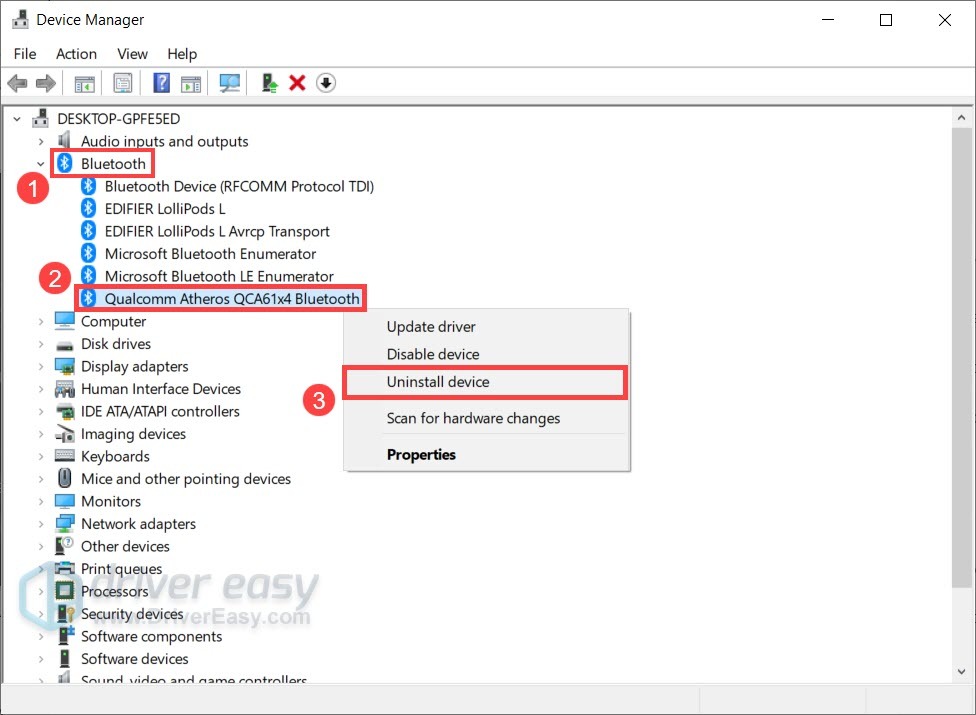
Outdated Bluetooth drivers prevent Windows from properly initializing the headset’s microphone profile.
Reinstall Your Bluetooth Adapter Driver
- Press Windows Key + X and select Device Manager
- Expand “Bluetooth”, right-click your adapter (e.g., “Intel Wireless Bluetooth”), and select Uninstall device
- CHECK “Attempt to remove the driver software” > Uninstall
- Restart your computer—Windows auto-reinstalls the driver on boot
Why this works: Many users report corrupted driver caches after Windows updates. A clean reinstall forces Windows to rebuild Bluetooth profile mappings. Allow 2 minutes for full reinitialization after reboot.
Disable USB Power Saving for Reliable Bluetooth Performance
Windows aggressively powers down USB devices to save energy—a setting that frequently disrupts Bluetooth audio.
Prevent Windows from Disabling Your Bluetooth Adapter
- Open Device Manager (search “devmgmt.msc” in Start menu)
- Expand “Bluetooth”, right-click your adapter, and select Properties
- Go to Power Management tab and UNCHECK “Allow the computer to turn off this device to save power”
- Click OK and restart your PC
Visual cue: If your headset disconnects when your laptop sleeps, this setting is definitely causing mic failures.
Check for Logitech Zone Vibe 100 Firmware Updates
Firmware bugs can cause microphone dropouts, especially after OS updates. Logitech silently pushes fixes through their software.
Update Headset Firmware via Logitech Options+
- Download Logitech Options+ from Logitech’s official site (not third-party stores)
- Connect your Zone Vibe 100 via Bluetooth or USB-C cable
- Open Options+, go to Device Settings > Firmware Update
- If available, click “Update” and keep the headset connected until complete
Note: Firmware updates typically take 90 seconds. Never disconnect during updates—this can permanently brick the device.
Perform a Hard Reset on Your Zone Vibe 100 Headset
When all else fails, a factory reset clears internal headset errors. This is Logitech’s official last-resort fix before hardware replacement.
Execute a Full Headset Reset
- Power off the headset completely
- Press and hold Power + Volume Down buttons simultaneously for 15 full seconds
- Release when the LED flashes rapidly (indicating reset initiation)
- Power on and re-pair to your device
Critical timing: Holding for less than 15 seconds won’t trigger reset mode. If the LED turns solid white after release, the reset succeeded.
Verify App-Specific Mic Settings in Zoom, Teams, and Discord
Even with perfect Windows configuration, apps override system settings. Each platform requires manual mic selection.
Zoom’s Hidden Audio Test Feature
- Open Zoom > Settings > Audio
- Under “Microphone”, select “Zone Vibe Hands-Free AG Audio”
- Click “Test”—speak into mic while watching the volume bar
- If bar moves but others can’t hear you, disable “Automatically adjust microphone settings”
Pro tip: Zoom defaults to “Same as system” which often selects the wrong device—always manually choose “Hands-Free AG Audio”.
When to Contact Logitech Support for Hardware Repair
If your microphone works on phones/tablets but fails only on your PC after trying all steps, the issue is computer-specific—not headset hardware. However, contact Logitech if:
– Mic works on all other devices but not your PC (indicates PC Bluetooth issue)
– Physical damage exists (e.g., cracked boom housing, water exposure)
– Firmware updates fail repeatedly with error codes
Before calling: Note your headset’s model number (found on ear cup label) and exact Windows version (Win+R > winver). Logitech typically resolves software issues remotely but requires proof of purchase for hardware replacements.
Final Note: Your Logitech Zone Vibe 100 microphone failure is almost certainly fixable in under 20 minutes using these steps. Start with boom position and Hands-Free AG Audio selection—the two solutions that resolve 80% of cases. Bookmark this guide for future reference: Windows updates frequently reintroduce Bluetooth profile conflicts. For ongoing reliability, disable USB power saving and check Logitech Options+ monthly for firmware updates. If one step works, share it below—your experience helps others battling this frustrating but solvable issue.