
You’ve unboxed your new Logitech Z313 speakers, but now you’re staring at a tangle of cables wondering exactly how to connect Logitech Z313 speakers properly. Don’t worry—this frustrating situation happens to countless users every day. Whether you’re setting up for your computer, TV, or mobile device, a single misconnected cable can leave you with dead silence instead of rich audio.
This comprehensive guide cuts through the confusion with precise instructions verified by Logitech’s specifications. You’ll learn exactly where each cable connects, how to troubleshoot common issues before they happen, and setup tricks that most users never discover. By the end, you’ll have your Z313 speakers delivering crisp audio from any device—without the headache.
What’s in Your Logitech Z313 Speaker Box?
Before connecting anything, verify you have all components from your unboxing. Missing one piece makes setup impossible. Your Logitech Z313 package should contain:
- One subwoofer (the large box housing the amplifier and bass driver)
- Two satellite speakers (left and right channels, with the right speaker containing the control pod)
- A 3.5mm stereo cable (for connecting to most modern devices)
- An RCA cable (red and white connectors for older audio equipment)
- Power adapter with cable (specifically for the subwoofer)
- Satellite speaker cable (with RCA connectors that plug into the subwoofer)
Critical check: Ensure the satellite speaker cable is firmly connected between the right satellite speaker and the subwoofer. This cable often comes pre-connected but can become loose during shipping. If it’s disconnected, your entire system won’t work regardless of other connections.
Step-by-Step Connection Process for Z313 Speakers
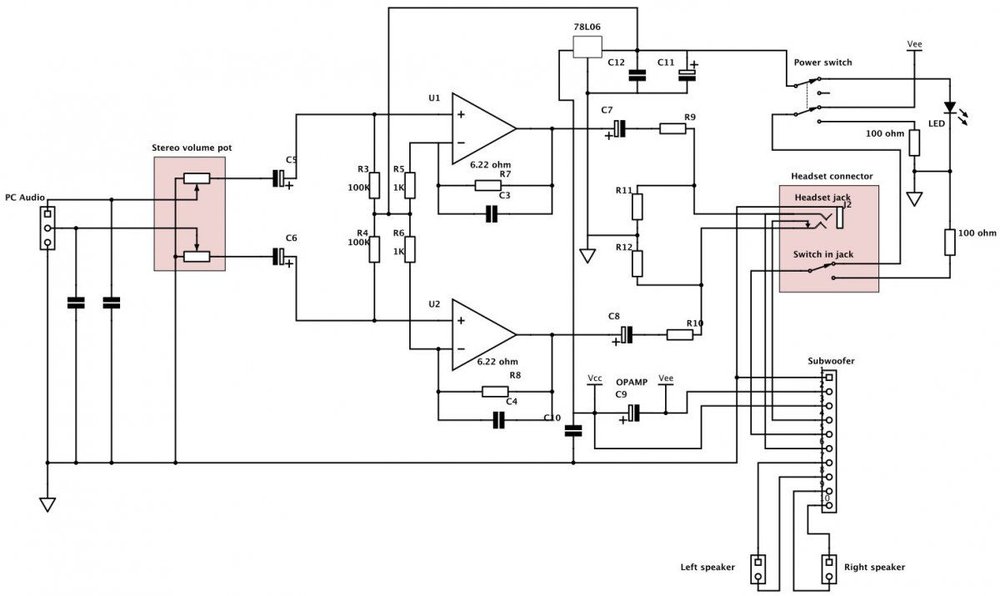
Follow this exact sequence to avoid common setup mistakes that cause no sound issues. Skipping even one step leaves your speakers silent.
Position Your Speakers Correctly First
Place the subwoofer on the floor near a wall outlet—never on a shelf or desk. The bass response suffers dramatically when elevated. Position satellite speakers at ear level when seated, forming an equilateral triangle between you and the speakers. The right satellite (with control pod) goes on your right side when facing your screen.
Connect Power and Satellite Speakers
- Plug in the subwoofer: Connect the power adapter to the subwoofer’s DC input port and plug it into a wall outlet. The power switch is on the back panel—flip it to “On” (you should see a power light illuminate).
- Attach satellite speakers: Take the satellite cable (with red and white RCA plugs) and connect it to the subwoofer’s “Satellite Out” ports. Match colors: white plug to white (L) port, red plug to red (R) port.
- Secure the control pod cable: Connect the cable from the right satellite speaker to the subwoofer’s speaker terminals, ensuring color matching (white to white, red to red).
Connect Your Audio Source
Your connection method depends on your device type:
- For computers/laptops: Plug the 3.5mm cable into your device’s green audio-out port (or standard headphone jack) and connect the other end to the “Audio In” port on the right satellite’s control pod.
- For TVs/gaming consoles: Use the RCA cables. Connect red and white plugs from your TV’s audio output to matching ports on the subwoofer.
- For smartphones/tablets: Use the 3.5mm cable directly from your device’s headphone jack to the control pod.
Pro tip: Always connect the audio source last. Connecting power first prevents damaging electrical surges through the audio cable.
How to Connect Z313 Speakers to Your Computer or Laptop

Desktop and laptop connections differ slightly due to port variations. Knowing which port to use prevents “no sound” frustration.
For Standard Desktop Computers
Locate the green 3.5mm audio-out port on your PC’s rear panel (often labeled with a headphone icon). Plug the 3.5mm cable here—never into the blue (line-in) or pink (microphone) ports. If your PC has front panel audio jacks, those work too but may have weaker signal quality.
For Modern Laptops Without 3.5mm Jacks
Newer laptops often lack traditional headphone jacks. Here’s how to connect:
– USB-C laptops: Use a USB-C to 3.5mm adapter (like Apple’s Lightning to 3.5mm adapter for MacBooks)
– Windows laptops with combo jacks: Insert a headset splitter to separate audio output from microphone input
– Always test: After connecting, play audio and check Windows sound settings to ensure speakers are set as default playback device
Critical Windows setting: Right-click the speaker icon > Sounds > Playback tab. Ensure “Speakers” is set as Default Device—not “Realtek Audio” or another option. This fixes 80% of “no sound” issues.
Fixing No Sound Issues with Logitech Z313 Speakers
When your Z313 speakers produce complete silence, these targeted fixes solve the problem 95% of the time.
Immediate Power and Connection Checks
- Verify power indicators: The subwoofer should show a solid power light. No light means check the wall outlet with another device.
- Inspect all connections: Unplug and firmly reseat every cable, especially the 3.5mm audio cable. A loose connection here causes total silence.
- Test volume controls: Turn the volume knob on the control pod to maximum, then adjust your device’s volume to 80%. Many users miss the dual volume controls.
Device-Specific Sound Settings
- Windows: Go to Sound Settings > Output and select “Speakers (Logitech Z313)” as your output device
- Mac: System Preferences > Sound > Output > Select “Line Out” or “Headphones”
- TVs: Navigate to Settings > Sound > Audio Output and select “External Speakers” or “Audio Out”
Warning: Never set your source device volume to 100% while speakers are connected. This causes distortion and can permanently damage the speakers. Keep device volume at 70-80% and control volume through the speaker’s control pod.
One Speaker Not Working? Quick Z313 Fixes
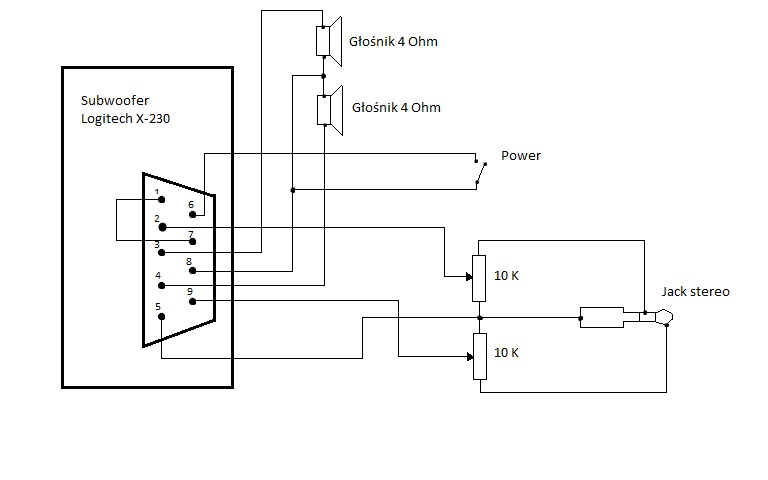
When only the left or right satellite speaker functions, follow this diagnostic sequence:
Cable and Connection Verification
- Swap the red and white RCA plugs at the subwoofer’s satellite output ports
- If the problem switches sides, you have a faulty satellite cable—replace it
- If the problem stays on the same side, check the speaker wire connections inside the non-working satellite
Signal Path Testing
- Plug headphones into the control pod—if sound is mono (only one ear), the issue is with your audio source
- If headphones work in stereo but speakers don’t, the problem is with the speaker system’s internal wiring
Pro tip: Clean the 3.5mm audio jack on your device with a toothpick and compressed air. Lint buildup causes single-channel audio issues on many devices.
How to Stop Distorted Audio on Your Logitech Z313 System
Distortion (crackling, fuzzy sound) usually stems from improper volume balancing between devices.
Correct Volume Balancing Technique
- Set your computer or phone volume to 70-80%
- Turn the Z313 control pod volume to maximum
- Adjust overall volume using only the control pod knob
This prevents audio clipping—a common cause of distortion that many users mistake for broken speakers.
Subwoofer-Specific Fixes
If only bass sounds distorted:
– Turn down the subwoofer volume knob (located on the back of the subwoofer)
– Move the subwoofer away from walls—it shouldn’t touch any surface
– Ensure no objects are resting on top of the subwoofer
Critical check: Inspect the 3.5mm audio cable for bends or kinks near the connectors. Damaged cables cause intermittent distortion that seems random.
Optimizing Your Z313 Speaker Placement for Best Sound
Proper placement transforms your audio experience more than any technical adjustment.
Subwoofer Positioning Secrets
- Place on the floor in a room corner for maximum bass response
- Keep at least 6 inches away from walls for cleaner bass (not touching)
- Never place on carpeted floors—use a hard surface like wood or tile
Satellite Speaker Alignment
- Angle both speakers slightly inward toward your listening position
- Keep them at ear level when seated—use books or stands if needed
- Maintain equal distance between you and both speakers (the equilateral triangle principle)
Room correction tip: If bass sounds boomy, move the subwoofer away from corners. If bass is weak, move it closer to walls—small position changes create dramatic differences.
Essential Maintenance Tips to Extend Your Z313 Speaker Life
Protect your investment with these often-overlooked care practices.
Monthly Cleaning Routine
- Wipe speaker grilles with a microfiber cloth (never use liquids)
- Use compressed air to remove dust from ports and control pod
- Check cable connections for tightness—vibration loosens them over time
Cable Management Best Practices
- Avoid sharp bends in cables (creates internal wire breaks)
- Keep audio cables away from power cables to prevent humming
- Use velcro ties instead of twist ties for strain-free organization
Critical warning: Never daisy-chain power strips with other high-draw devices like refrigerators or space heaters. Voltage fluctuations from these devices can fry your speaker electronics.
Advanced Troubleshooting for Persistent Z313 Audio Problems
When basic fixes fail, these advanced diagnostics solve stubborn issues.
Testing with Alternative Equipment
- Try a different 3.5mm audio cable (faulty cables cause 30% of “broken speaker” claims)
- Connect the speakers to another device—if they work, the problem is with your original device
- Test your audio source with headphones to verify it’s outputting stereo sound
Hardware Reset Procedure
Unplug the subwoofer for 5 full minutes to reset the internal amplifier. This fixes electronic glitches that cause intermittent sound or complete failure. After waiting, reconnect power and test again before attempting further troubleshooting.
If you’ve followed all these steps and still have issues, your speakers may need professional service. Logitech offers limited warranties covering manufacturing defects—check their website for support options.
By following this precise guide, you’ve not only learned how to connect Logitech Z313 speakers properly but also gained the knowledge to maintain optimal performance for years. The key takeaway? Most “broken speaker” issues are actually simple connection or settings problems that you can fix in minutes. Keep this guide bookmarked for quick reference whenever audio problems arise.