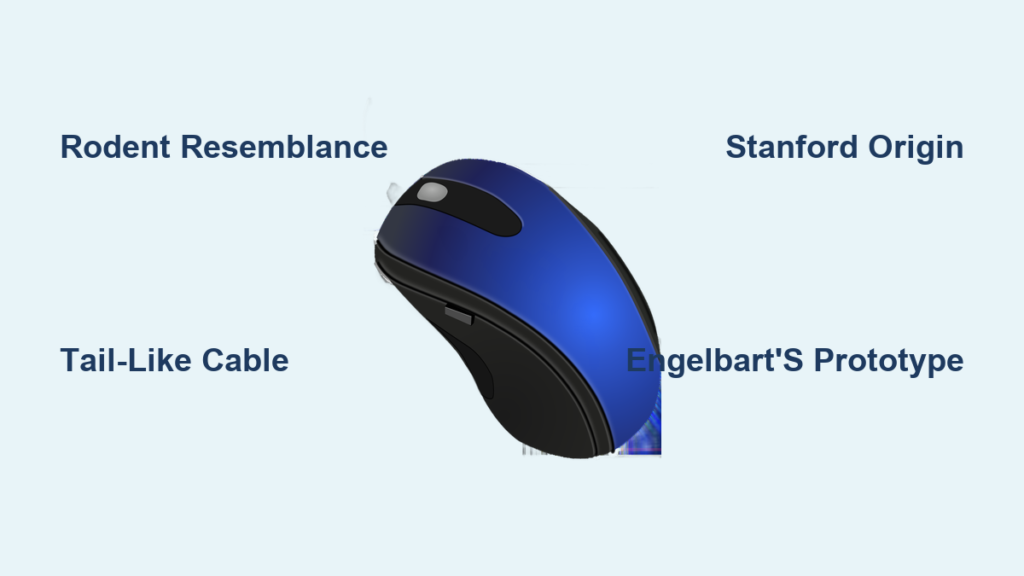
Your computer mouse really does look like a tiny rodent, and that is exactly why engineers named it that way. The story of why a mouse is called a mouse begins not with marketing teams, but with a group of curious inventors who noticed their new device looked suspiciously like a small animal scurrying across a desk. The nickname stuck instantly and never went away.
This article explores the fascinating etymology behind one of computing’s most recognizable terms. You will learn about the original wooden prototype, the German invention that ran parallel to it, and how a simple visual joke became a permanent part of our global vocabulary.
The Rodent Resemblance That Started It All
The name “mouse” was not poetic license. It was pure observation based on physical design.
Body and Cable Design
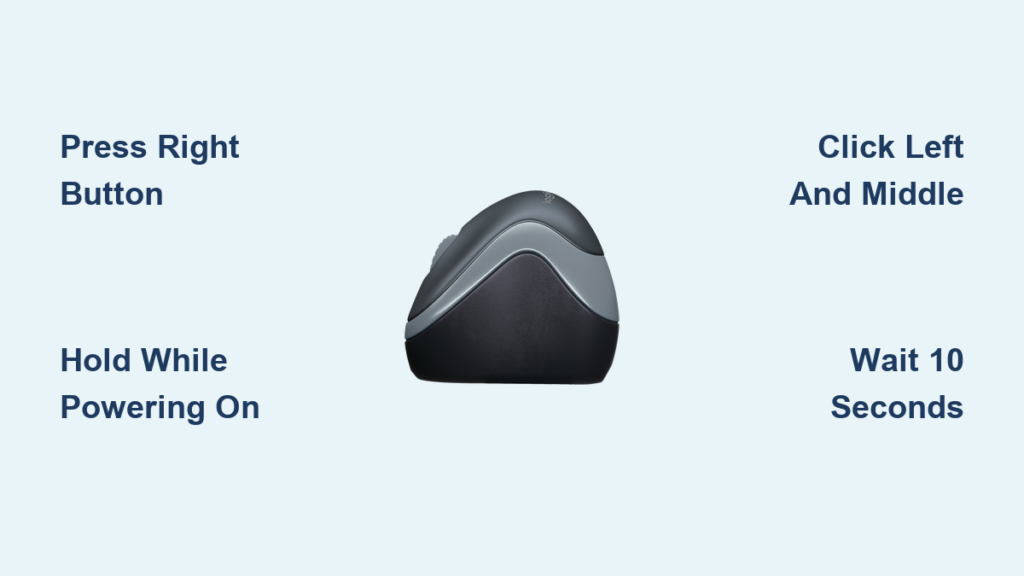
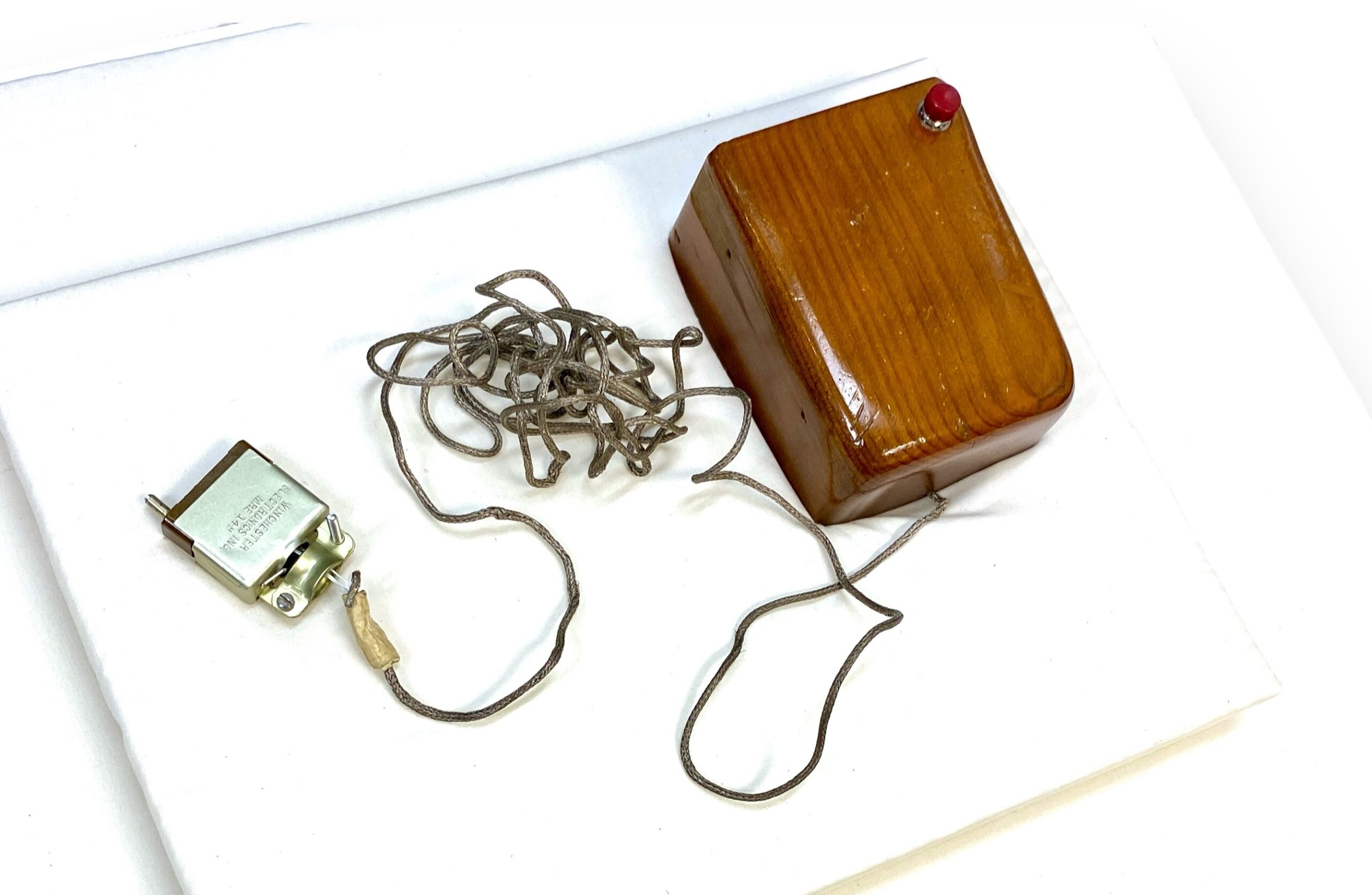
The earliest prototype featured a small, rounded wooden body that sat comfortably under the hand. The defining element was a thick cord extending from the rear of the device. When the mouse moved across a desk, the wire trailed behind like a tail, completing the rodent illusion. Engineers did not need a branding committee; the visual metaphor spoke for itself.
Why Other Names Were Rejected
Other animal names were briefly considered, including “cat” and “puppy.” Neither fit the device as perfectly as “mouse.” A cat does not scurry with a tail behind it, and a puppy implies size and noise. The mouse, small and precise, mirrored the device’s function perfectly. It moved quietly and efficiently across surfaces, just like its furry namesake.
Birth of the Name at Stanford Research Institute
The story of why a mouse is called a mouse begins at the Stanford Research Institute (SRI) in the early 1960s.
Engelbart’s Revolutionary Vision
Douglas Engelbart did not set out to invent a mouse. He aimed to revolutionize how humans interact with information. In the early 1960s, computers relied on punch cards and command lines, which were clunky and inaccessible. Engelbart envisioned a future where users could manipulate data directly using intuitive tools.
The mouse became one component of his broader on-Line System (NLS), which also introduced hypertext, video conferencing, and collaborative editing. His idea for a pointing device emerged during a 1961 conference, but it took two more years to build the first physical model.
A Name Nobody Remembers Claiming
When asked who coined the term, Engelbart famously stated, “No one can remember. It just looked like a mouse with a tail, and we all called it that.” The nickname emerged naturally during testing among team members. No formal naming process existed; the engineers simply looked at the device and saw a rodent.
The Wooden Prototype and Bill English’s Creation
While Engelbart conceived the concept, engineer Bill English brought it to life in 1963.
Building the First Working Model
English constructed the prototype using a block of wood, two perpendicular wheels, and a wire. The wheels, inspired by 19th-century planimeters (tools used to measure area on maps), detected movement along the X and Y axes. The result was crude by today’s standards, but it worked.
A Patent Without the Name
Here lies a historical irony: the word “mouse” never appeared in Engelbart’s original patent for the pointing device. Despite this omission, the technology became ubiquitous within twenty years of filing. The terminology remained an internal engineering moniker that transcended technical documentation to become part of the global lexicon.